Creating Sensory-Friendly Events for a More Inclusive Global Community
Planning an event requires attention to countless details. Venue selection, schedules, and guest experiences often take center stage, yet a significant group of attendees is still overlooked in many parts of the world-those who are neurodiverse. As global awareness of human differences continues to grow, more organizers now recognize the value of designing environments that support varied sensory needs. Doing so opens doors for people to participate more fully and comfortably, enriching the collective experience of everyone present, helping to build stronger neighborhoods.
Events that consider sensory needs aim to reduce overwhelming stimuli and establish environments where guests can feel safe, calm, and genuinely welcomed. This includes adjusting lighting, sound levels, scent, space layout, and communication methods. Thoughtful preparation helps create settings where individuals with autism spectrum disorder (ASD), attention-deficit/hyperactivity disorder (ADHD), sensory processing disorder (SPD), and other neurodevelopmental differences can participate without unnecessary stress. In the end, sensory-friendly planning helps build communities where every person feels valued.
Creating sensory-friendly events supports people with diverse sensory needs while improving the overall comfort of all attendees. This approach involves thoughtful planning around lighting, sound, scent, space, communication, and staff training. When these areas are addressed, events become more inclusive, welcoming, and enjoyable for everyone.
Sensory-friendly environments are increasingly adopted worldwide in museums, community centers, parks, schools, and cultural institutions. These initiatives show that intentional design can transform how people connect, learn, and participate in shared experiences.
Why Sensory-Friendly Events Matter Worldwide
Designing sensory-friendly events is not limited to serving individuals with sensory sensitivities. It also benefits families with young children, older adults, people who are tired from long workdays, and anyone who prefers calmer environments. A space with gentle lighting and moderate sound levels can feel soothing across cultures, making it easier for attendees to focus on the purpose of the gathering.
Around the world, neurodiverse individuals experience sensory inputs differently. A sound that seems ordinary to most might feel painfully loud to someone else. A flashing light that some barely notice may cause disorientation or discomfort. Strong scents can also trigger stress or physical reactions. Acknowledging these differences shows respect for human diversity and creates opportunities for meaningful participation in public life.
Countries in Asia, Europe, the Middle East, and the Americas are increasingly adopting inclusive practices. Museums in Canada and the UK offer quieter hours. Theaters in Australia and Singapore provide sensory-adapted performances. Community parks across Japan and South Korea now feature sensory gardens with varied textures and calming areas. These efforts illustrate a growing global movement toward inclusivity.
Core Considerations for a Sensory-Friendly Environment
Creating a supportive environment requires a comprehensive look at all possible sensory inputs. Each factor shapes how comfortable people feel while attending global events, whether small gatherings or large public programs.
Managing Sound for a Calmer Atmosphere
Sound is one of the most common triggers of sensory overload. A noisy environment can quickly become overwhelming, especially when sounds are unpredictable or excessively loud.
Moderate Sound Levels
Keep background music and audio sources at gentle levels. Avoid sudden spikes in volume or sharp, high-pitched sounds. If music is necessary, choose steady rhythms that won’t create tension.
Quiet Spaces
Set aside rooms or corners where guests can decompress. These spaces should be easy to find, furnished with comfortable seating, and protected from loud noises. Some venues worldwide also offer weighted blankets or calming items for children and adults.
Noise-Reducing Options
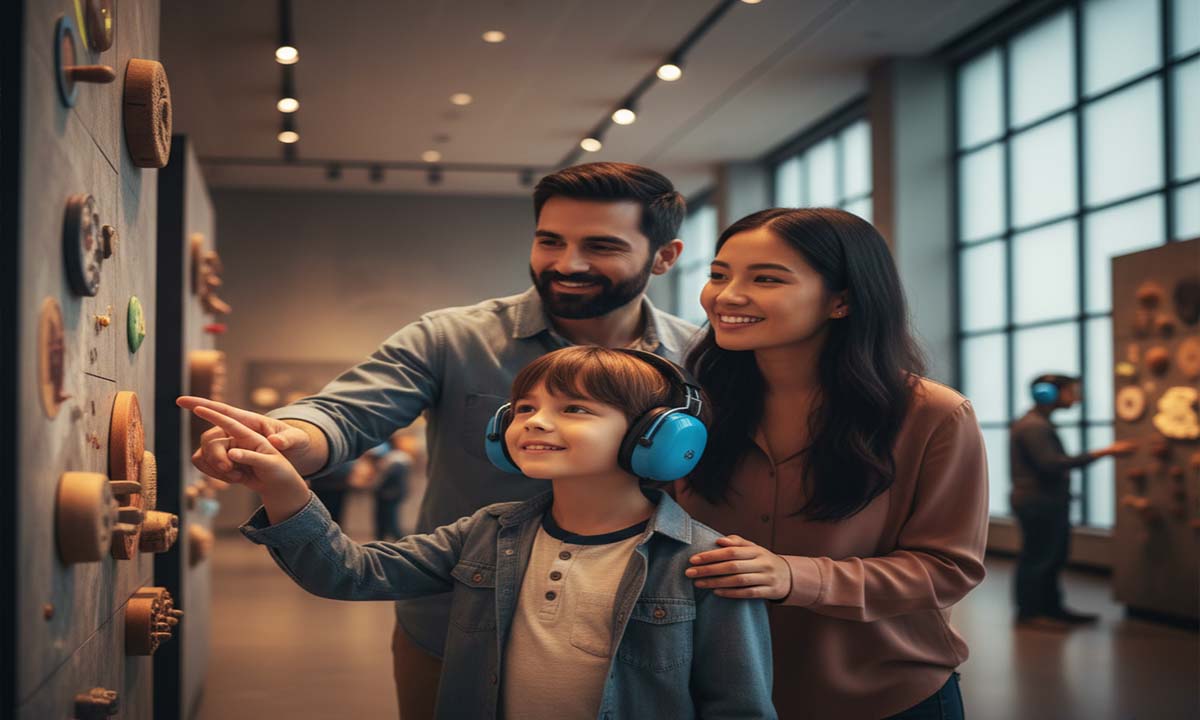
Providing noise-cancelling headphones can make a tremendous difference. Many international museums and airports now offer these at no cost to support guests with sensory needs.
Microphone Stability
Ensure that microphones do not produce feedback, static, or sudden bursts of volume during talks or presentations.
Thoughtful Lighting and Visual Simplicity
Lighting significantly affects comfort levels. Bright lights, flickering bulbs, or dramatic contrasts between dark and bright areas can cause discomfort.
Soft, Diffused Lighting
Use warm, non-harsh lighting whenever possible. Natural light is ideal when available, as it reduces visual strain.
Avoid Flickering Lights
Strobe lights or flashing elements must be avoided, as they can cause severe discomfort or health risks for sensitive individuals.
Consistent Lighting Levels
Ensure the venue has smooth transitions between areas. Abrupt shifts from bright to dim lighting can be disorienting.
Minimal Visual Clutter
Keep decorations meaningful but simple. Excessive movement, competing colors, or visually busy displays can overwhelm attendees.
Comfortable Textures and Spatial Flow
Touch and spatial arrangements also influence how people experience an event.
Comfortable Materials
Choose furniture and materials that feel pleasant and calming. Avoid surfaces that are very rough or irritating.
Open Movement Pathways
Provide enough space for attendees to move around without bumping into others. Narrow walkways and crowded areas can heighten anxiety.
Managing Crowds
If large numbers are expected, consider staggered entry times. This approach is used successfully in several international exhibitions to prevent overwhelming gatherings.
Smells and Food Considerations
Scent is a powerful sensory input, yet it is often overlooked during event planning.
Avoid Strong Scents
Refrain from using powerful perfumes, scented sprays, or cleaning agents with intense odors. These can trigger discomfort or allergic reactions.
Food Options
Offer simple foods with clear labels, including allergen-free choices. Water should be easily accessible.
Separate Eating Areas
Having a designated dining area helps contain scents and creates a calmer experience for those sensitive to strong smells.
Preparing for Additional Sensory Needs
Being sensory-friendly extends beyond lighting and sound adjustments. It involves understanding the entire experience of guests from the moment they learn about the event.
Clear Pre-Event Information
Provide advance details on noise levels, lighting, venue layout, quiet zones, and available assistance. Around the world, many sensory-inclusive events use visual schedules and simple diagrams to help attendees prepare.
Trained Support Teams
Staff should understand neurodiversity, including how sensory overload manifests and how to respond with respect. Their awareness helps prevent misunderstandings.
Accessible Assistance
Assign staff members who can guide guests to quiet zones, answer questions, or offer support when someone feels overwhelmed.
Adaptability
Stay open to unexpected needs. Every person is different, and flexibility builds genuine trust.
Training and Communication for a Supportive Experience
No sensory-friendly event succeeds without well-prepared staff. Their approach shapes whether attendees feel accepted and understood.
Awareness Training
Staff should be familiar with various expressions of neurodiversity and recognize that reactions to sensory input are not personal choices. They are often automatic responses to overwhelming stimuli.
Empathy and Respect
Listening with patience, offering calm reassurance, and responding gently create a sense of safety. Organizers worldwide emphasize empathy as the foundation of successful inclusive events.
Practical Skills
Teach staff how to guide individuals to quieter places, assist families, or respond if someone feels distressed. These skills help prevent escalation and improve comfort.
Clear Visitor Communication
Consistency matters. Ensure staff share the same information provided online or through email. Offer visual maps, simple explanations, and easy-to-follow instructions.
When guests know what to expect, their anxiety decreases, making participation far more enjoyable.
Global Benefits of Sensory-Friendly and Inclusive Events
Creating sensory-friendly events brings measurable benefits to communities around the world.
Broader Participation
Removing sensory barriers allows more people to join, share ideas, and contribute talents that might otherwise remain unseen.
Stronger Communities
Inclusive spaces show that everyone is welcome. This strengthens relationships and builds trust across cultures and generations.
Greater Understanding
As more people encounter sensory-friendly practices, awareness grows. This reduces stigma and encourages acceptance of diverse ways of experiencing the world. To learn about neurodiversity, understanding these differences is key.
Positive Reputation
Organizations known for inclusive practices often build stronger public trust. This enhances community support and international recognition.
Lasting Impact
Children and adults who experience supportive environments develop confidence and a sense of belonging. Over time, this contributes to a kinder and more understanding global society.
Sensory-friendly initiatives in cities worldwide-such as quiet hours in European museums, inclusive theater shows in Australia, sensory gardens in Asia, and community programs across North America-demonstrate that meaningful change is possible when organizers value accessibility.
A Global Shift Toward Inclusive Event Design
Creating sensory-friendly events enriches the lives of individuals and strengthens communities everywhere. Through careful planning, trained staff, and a willingness to adapt, organizers can ensure that every event supports participation, learning, and personal growth. Respecting the diversity of human experiences helps build a world where everyone has the chance to belong and feel comfortable in shared spaces.