Community Composting Drop-Off Programs as a Practical Response to Global Waste Challenges
The growing volume of waste has become a shared concern across continents. Cities, towns, and rural areas face mounting pressure on landfills, rising emissions, and declining soil quality. Amid these challenges, community composting drop-off programs offer a grounded, people-centered approach. These initiatives focus on diverting organic waste from landfills while strengthening social ties and restoring soil health. They also contribute to building stronger neighborhoods through shared goals and interactions.
Rather than treating food scraps and yard waste as refuse, community composting views them as valuable resources. Through shared effort, households and organizations can turn everyday organic materials into compost that supports food systems, green spaces, and environmental balance. This compost can be particularly beneficial for starting a community garden, enriching the soil and promoting local food production. Across regions with different cultures and climates, this approach continues to gain steady support because of its clear, practical value.
Community composting drop-off programs help reduce landfill waste and greenhouse gas emissions by transforming organic materials into soil-enriching compost.
They support soil health, encourage shared responsibility, and build stronger connections among residents.
With thoughtful planning and long-term support, these programs can adapt to diverse communities worldwide.
Why Community Composting Drop-Off Programs Matter
Community composting drop-off programs address environmental and social needs at the same time. Their impact goes beyond waste reduction and touches daily habits, local cooperation, and long-term land care.
One of the most visible benefits relates to soil health and waste diversion. Organic waste makes up a significant share of household refuse worldwide. When sent to landfills, it breaks down without oxygen and releases methane, a greenhouse gas with a strong warming effect. Composting redirects this material into a controlled process that produces nutrient-rich soil input. The resulting compost improves soil structure, water retention, and biological activity, supporting food production and green spaces.
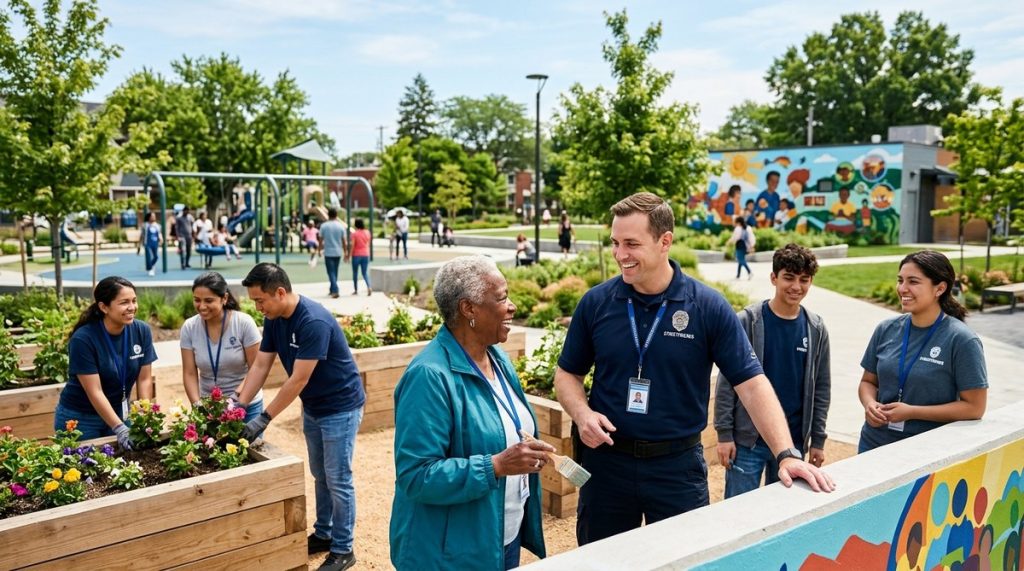
Another important aspect is community connection. Drop-off sites often become shared points of interaction. Residents meet while contributing food scraps or garden waste, exchange tips, and develop a sense of shared purpose. Over time, these regular interactions help build trust and cooperation, which are essential for resilient communities.
Education also plays a central role. Composting programs provide hands-on learning for people of all ages. Participants gain a clearer understanding of natural cycles, waste separation, and responsible consumption. For younger participants, this exposure helps shape long-term habits rooted in care for the environment.
Public health benefits appear as well. Reduced landfill pressure lowers odor and pest risks. Healthier soil also supports plants that require fewer chemical inputs, which helps protect water quality and surrounding ecosystems.
Community Composting Within a Global Context
Waste management remains a pressing issue worldwide. Rapid urban growth, changing consumption patterns, and limited landfill space place strain on existing systems. Community composting drop-off programs offer a flexible response that works in both densely populated areas and smaller communities.
The practice reflects a broader understanding of circular resource use. Organic materials return to the soil rather than becoming long-term waste. Compost improves agricultural land, urban gardens, and public green areas. In regions facing soil degradation or water scarcity, these benefits become even more valuable.
Social outcomes extend beyond environmental gains. Shared composting efforts often lead to additional local projects, such as community gardens or food-growing initiatives. These projects support food awareness and provide access to green spaces, which can improve overall well-being.
Learning through participation remains a strong advantage. People see how everyday actions affect the environment. This awareness often influences other habits, such as food planning and waste reduction at home. Over time, composting programs contribute to broader environmental responsibility without relying on complex technology.
Key Considerations When Planning a Program
Establishing a successful community composting drop-off program requires careful preparation and cooperation among different groups. Planning helps align the program with local needs while ensuring safe and effective operation.
Understanding Local Needs and Conditions
Each community produces different types and volumes of organic waste. Urban areas may generate more food scraps from households and food services. Rural areas may contribute more garden and agricultural waste. Assessing these patterns helps determine suitable bin capacity, processing methods, and collection schedules.
Local regulations also shape program design. Waste handling and public health guidelines vary by region. Understanding these rules early helps avoid operational issues and builds trust with authorities and participants.
Choosing a Suitable Location and Building Partnerships
Accessibility is essential. Drop-off sites should be easy to reach and safe to use. Public parks, community gardens, school grounds, or shared open spaces often serve well. Sites should allow proper drainage and protection from flooding or other environmental risks.
Partnerships strengthen programs. Local governments, environmental groups, schools, and businesses can provide land, funding, volunteers, or technical knowledge. Programs that rely on shared responsibility often show greater stability and reach.
Setting Clear Guidelines and Procedures
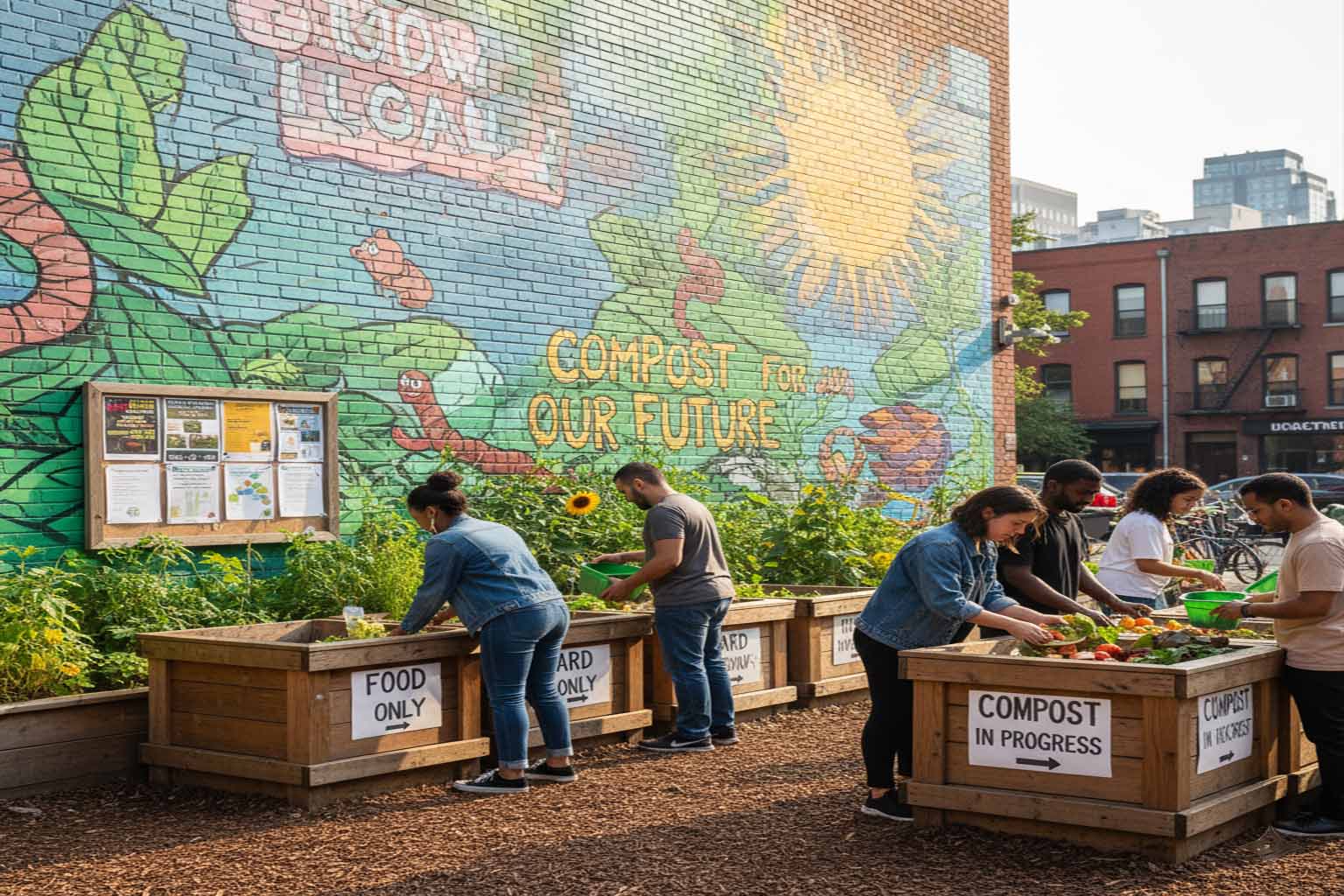
Clear rules help maintain compost quality and site cleanliness. Participants should know which materials are accepted, such as fruit and vegetable scraps, coffee grounds, eggshells, leaves, and grass clippings. Items like meat, dairy, oily food, plastics, and metals usually remain excluded.
Guidelines should also explain how to deposit materials properly, drop-off hours, and basic hygiene practices. If volunteers manage the site, their roles and schedules should be clearly defined.
From Setup to Daily Operation
Once planning is complete, attention turns to implementation. Each stage, from site setup to compost use, affects long-term success.
Designing a Functional Drop-Off Site
A well-designed site encourages proper use. Compost bins should be durable, pest-resistant, and easy to open. Clear signage helps prevent contamination and reduces confusion. Tools such as shovels and containers support safe handling and regular maintenance.
Adequate airflow and sunlight help support the composting process. Thoughtful layout also improves safety and efficiency, especially in sites with frequent use.
Managing the Composting Process
Effective composting depends on balance. Organic inputs include nitrogen-rich materials, such as food scraps, and carbon-rich materials, such as dry leaves or paper. Proper moisture and oxygen levels support healthy breakdown.
Regular turning or mixing helps maintain airflow and speeds decomposition. Training for volunteers or site managers ensures that these tasks follow best practices. Monitoring temperature can also help confirm that composting remains active and safe.
Keeping the Community Involved
Ongoing engagement helps maintain participation. Workshops, information sessions, and simple educational materials explain how composting works and why it matters. Site visits allow participants to see progress and better understand the process.
Clear communication builds confidence. When people know their contributions matter, they are more likely to stay involved and encourage others to join.
Using and Sharing Finished Compost
After several months, compost becomes ready for use. This material supports gardens, farms, and public landscapes by improving soil structure and nutrient availability.
Programs may share compost with participants, use it in shared green spaces, or sell it to support operating costs. Distribution reinforces the connection between effort and outcome, strengthening long-term commitment.
Measuring Impact and Supporting Long-Term Stability
Sustained success depends on regular evaluation and adaptability. Measuring impact helps programs grow and improve.
Assessing Program Outcomes
Tracking the volume of organic waste processed provides a clear indicator of effectiveness. Soil testing can help assess compost quality. Feedback from participants offers insight into user experience and potential improvements.
Social outcomes also matter. Increased participation, stronger connections among residents, and new local initiatives signal broader positive effects.
Addressing Challenges and Making Adjustments
Programs may face declining participation, pest concerns, or funding gaps. Open communication and flexibility help address these issues. Outreach activities, site adjustments, or revised guidelines can restore momentum.
Securing Financial Support
Long-term operation often requires steady funding. Grants, sponsorships, compost sales, or small participation fees can support maintenance and expansion. Transparent financial management helps build trust and attract support.
A Shared Step Toward Healthier Communities and Soils
Community composting drop-off programs show how simple actions can support environmental care and social connection. By turning organic waste into a resource, communities reduce pressure on landfills, restore soil health, and strengthen cooperation. Understanding the broader context of global waste management helps emphasize the importance of these local efforts. Each contribution adds value. Together, these efforts support cleaner surroundings, healthier land, and communities that work with nature rather than against it.