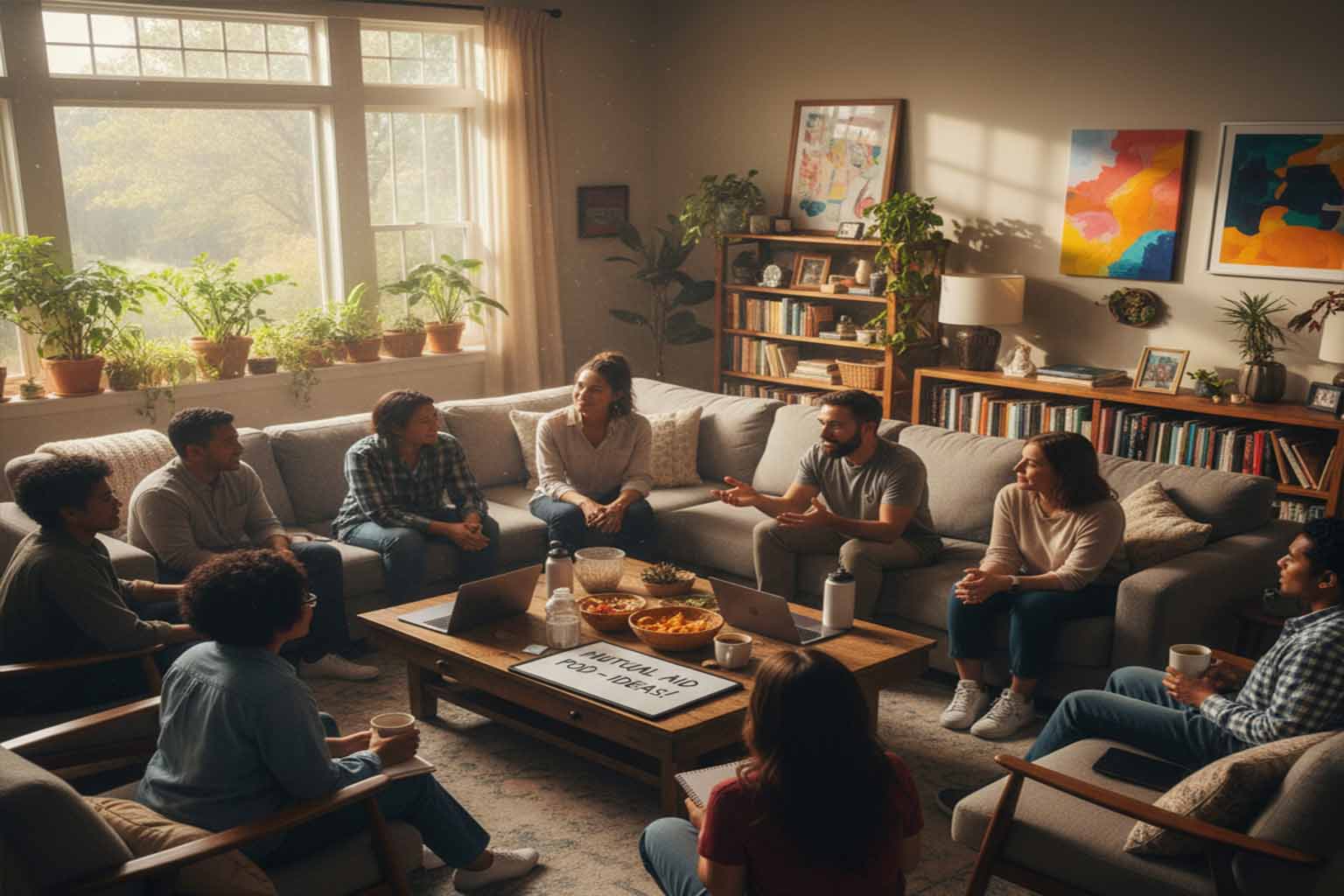
Strong communities grow from everyday actions and a deep human need for connection. At the center of lasting connection sits cooperation, a principle that matters even more in a modern world where many people feel isolated. Across regions and cultures, individuals often live close to others yet feel disconnected. Mutual support among neighbors restores trust and shared responsibility. It creates spaces where people know they are not facing life’s challenges alone. This form of support eases daily pressure and builds collective resilience, strengthening a shared sense of care that benefits everyone involved and supports fostering community engagement.
At a glance:
This article explains how neighborhood mutual aid pods work and why they matter across cultures and regions.
It outlines how to form a pod, describes everyday and crisis-related benefits, and addresses common challenges with practical guidance.
What Neighborhood Mutual Aid Pods Mean Today
Neighborhood mutual aid pods are voluntary networks of individuals or households who agree to support one another through shared respect and balance. This model does not rely on charity. Instead, it centers on shared effort and mutual contribution. Every participant has something to offer and may need help at different points, reinforcing the value of mental health support within communities. The exchange remains reciprocal rather than hierarchical.
This approach has deep historical roots. Long before formal support systems existed, communities relied on shared labor, food exchange, and informal care networks to survive. Practices such as communal harvesting, caring for sick neighbors, or shared childcare reflect early mutual aid systems. In recent years, these traditions have gained renewed attention as people respond to social isolation, economic strain, and local emergencies.
Unlike traditional aid models that separate helpers from recipients, mutual aid treats everyone as both. One person may share teaching skills. Another may offer transportation. Someone else may provide time, emotional presence, or logistical help. These varied contributions form a flexible support system shaped by real needs rather than fixed roles. The structure adapts as circumstances change.
Pods may involve a few households or span several blocks. Size matters less than trust. Members commit to supporting one another in ways that fit their capacity and circumstances. This shared understanding builds confidence and fosters belonging, creating a human-centered safety net grounded in connection.
Why Mutual Aid Strengthens Communities Worldwide
Mutual aid strengthens communities by increasing adaptability and cooperation. Its value appears during emergencies and within daily routines, reinforcing social bonds that make communities more stable and responsive.
Community Resilience During Crises
Local support networks often respond more quickly than formal systems during emergencies. In extreme weather events, supply disruptions, or public health concerns, neighbors who already know each other can act without delay. They organize food sharing, check on vulnerable residents, and share information efficiently.
Because these relationships exist before crises occur, responses feel natural rather than improvised. Small groups can stabilize situations while larger systems mobilize. This early action reduces harm and supports recovery.
Everyday Support That Reduces Stress
Mutual aid also addresses everyday needs that often create hidden strain. Informal childcare, shared meals during illness, help with errands, and skill sharing all reduce daily pressure. These actions improve quality of life and reduce burnout.
Knowing that support is available creates a sense of security. Stress levels decrease, and people feel more willing to support others in return. Care circulates naturally rather than stopping with one interaction.
Health and Wellbeing Benefits
Strong social ties are consistently linked to better mental and physical health. Feeling supported lowers loneliness and anxiety. Mutual aid pods create ongoing opportunities for meaningful connection and shared purpose.
Emotional support plays a central role. Being heard and understood helps people manage difficult moments. These relationships build trust and emotional stability within the community.
Local Resource Sharing
Although not designed as economic systems, mutual aid pods often reduce unnecessary spending. Shared tools, exchanged skills, and cooperative problem-solving keep resources local. Borrowing equipment, sharing knowledge, or coordinating errands minimizes waste and strengthens relationships.
This shared approach builds trust without formal transactions. It encourages sustainable habits while reinforcing community ties.
Steps to Creating a Mutual Aid Pod
Creating a mutual aid pod requires patience and clear communication. Shared understanding and realistic expectations shape its long-term success.
Start With Trusted Connections
Beginning with people you already trust creates a stable foundation. Friends, family members, or nearby neighbors often share similar values. Early conversations should focus on expectations, availability, and comfort levels with giving and receiving support. Honesty prevents misunderstandings later.
Map Needs and Skills
Once a group forms, members benefit from sharing what they need and what they can offer. This mapping process clarifies collective capacity and improves response time. Skills may include transportation help, caregiving experience, language support, or basic repairs. A shared list keeps information accessible.
Set Clear Agreements
Simple guidelines support fairness and trust. These agreements explain how communication works, how requests are made, and how privacy is respected. A concise structure may include:
- Preferred communication channels
- How requests are shared and answered
- Steps for resolving disagreements
- Respect for boundaries and confidentiality
Clear expectations protect relationships and reinforce reliability.
Maintain Regular Communication
Ongoing interaction keeps pods active. Regular check-ins or informal gatherings strengthen relationships beyond moments of need. Shared activities build familiarity and make cooperation easier.
Grow With Care
Expansion should be gradual. New members need time to understand values and processes. Informal introductions help preserve trust and group cohesion as the pod grows.
Handling Common Challenges Thoughtfully
Mutual aid pods face challenges like any collective effort. Awareness and open dialogue help address them constructively.
Avoiding Member Exhaustion
Burnout occurs when responsibilities fall on too few people. Regular check-ins allow members to adjust involvement. Shared responsibility and encouragement of rest protect long-term participation.
Managing Disagreements
Differences in perspective are natural. Clear processes for discussion prevent escalation. Respectful conversations focused on understanding preserve trust. Neutral mediation may help resolve complex issues.
Ensuring Inclusive Participation
Effective pods support diverse needs. Communication methods should consider language, accessibility, and comfort levels. Regular feedback helps identify gaps and improve inclusivity.
Aligning Expectations
Not every request can be met immediately. Honest conversations about capacity prevent frustration. Transparency strengthens relationships and maintains trust.
The Strength of Diversity in Mutual Aid
Diversity strengthens mutual aid pods by expanding available skills and perspectives. Different backgrounds contribute varied problem-solving approaches and cultural understanding. This diversity improves adaptability and empathy.
Pods that reflect their communities respond more effectively to change. Respectful dialogue and openness to learning ensure collaboration remains strong and inclusive.
A Shared Path Forward
Neighborhood mutual aid pods highlight the lasting power of human connection. Through shared effort and reciprocity, trust grows and communities feel more supportive. Choosing cooperation shapes environments rooted in care and reliability.
These everyday actions quietly strengthen communities over time. Mutual aid reflects the principles behind social capital theories, showing how relationships create shared value. Supporting one another becomes a collective investment in a more connected world.