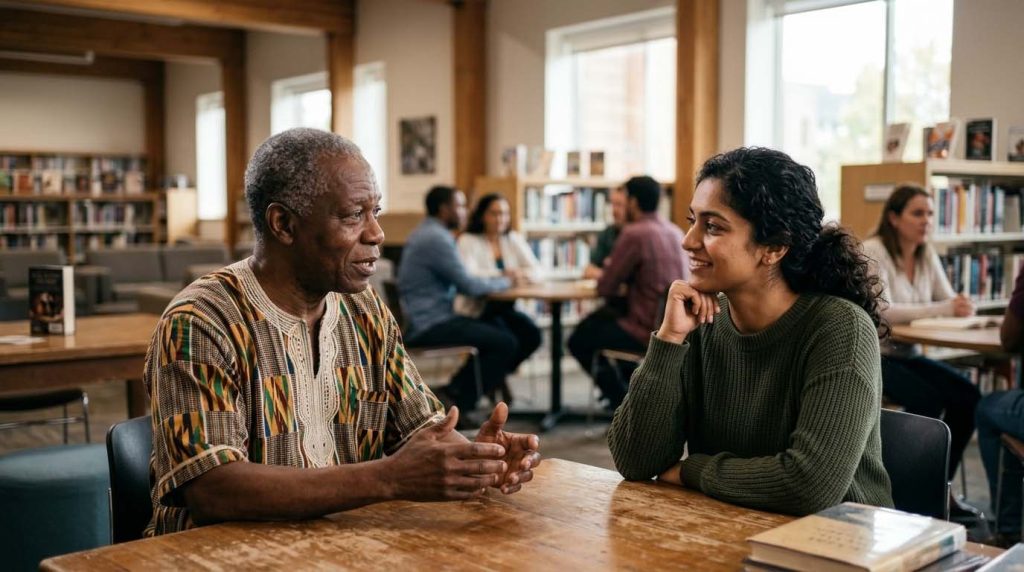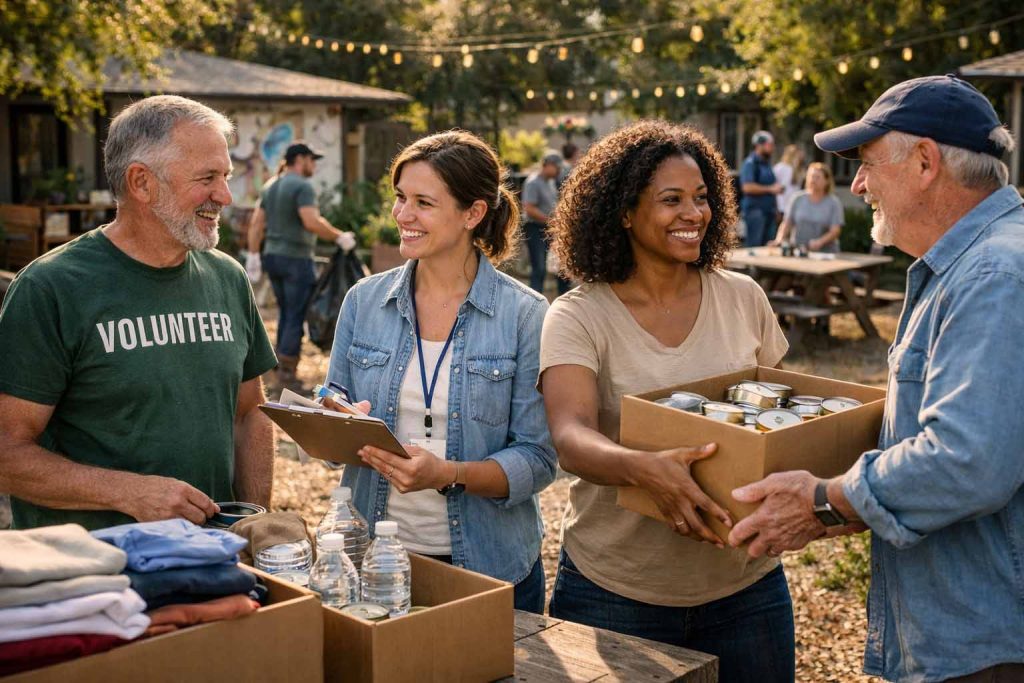
Empowering young people means more than offering programs or asking for their opinions. Real empowerment happens when their ideas influence decisions and lead to visible action. Around the world, one approach has proven effective in making this shift possible: Youth Participatory Budgeting. This model gives young people direct authority to decide how a portion of public funds is spent, placing them at the center of stronger neighborhood engagement and direct public decision-making.
Youth Participatory Budgeting recognizes young people as active contributors rather than future stakeholders. By involving them directly in financial decisions, communities encourage responsibility, transparency, and long-term civic engagement. The process also builds practical skills such as collaboration, critical thinking, and problem-solving qualities essential for strong, resilient societies, equipped for future challenges.
Beyond youth engagement, this approach supports fairer and more inclusive governance. It strengthens trust between institutions and communities, improves the relevance of public spending, and creates policies that reflect real needs. When young voices are part of budget decisions, public life becomes more responsive and forward-looking, actively fostering crucial youth leadership skills.
At a Glance
Youth Participatory Budgeting gives young people real decision-making power over public funds. It strengthens civic skills, builds trust in institutions, and supports projects grounded in lived experience. While challenges exist, thoughtful design, ongoing education, and consistent support allow this powerful model to succeed across diverse global contexts.
Understanding Youth Participatory Budgeting
Participatory Budgeting is a democratic process that allows community members to decide how part of a public budget is allocated. Instead of limiting financial decisions to elected officials or administrators, citizens engage directly with public resources. Youth Participatory Budgeting applies this principle to younger generations, giving them meaningful authority over real, tangible public funding.
In practice, young people propose project ideas, discuss priorities, and vote on how funds should be used. These decisions are not symbolic. They result in tangible projects that shape daily life, such as improved public spaces, educational initiatives, cultural programs, or environmental actions. The process helps young participants deeply understand how public systems function while making their valuable contributions visible.
The roots of Participatory Budgeting can be traced to South America in the late twentieth century. Over time, the model spread globally, with cities and regions adapting it to their own political and cultural settings. As awareness grew around the historical exclusion of young people from formal decision-making processes, innovative youth-focused versions began to emerge.
This exclusion has lasting effects. Policies and budgets established today shape infrastructure, services, and opportunities for decades. Yet young people, who will live with these outcomes the longest, are often absent from the decision-making process. Youth Participatory Budgeting effectively helps address this crucial imbalance by integrating authentic youth perspectives directly into democratic governance.
Unlike consultation initiatives, which may gather opinions without guaranteeing results, Youth Participatory Budgeting grants real authority. Young participants are not advisors to adult decision-makers; they are decision-makers themselves. This fundamental shift profoundly promotes greater accountability, transparency, and a powerful sense of shared responsibility.
In many communities, youth-led budgeting has highlighted priorities that traditional planning overlooked. Young people often focus on mental well-being, inclusive public spaces, environmental protection, and access to education. Their active participation fundamentally reframes them as innovative problem-solvers with invaluable insight rather than passive recipients of services.
Why Youth Voices Matter in Budget Decisions
Public budgets shape communities in lasting ways. They determine investments in education, transportation, housing, environmental protection, and social services. Including young people in these critical decisions profoundly strengthens both the quality and democratic legitimacy of public spending.
Young people bring perspectives rooted in everyday experience. They often identify emerging challenges early, such as the need for safe gathering spaces, digital access, or mental health support. Their direct input helps ensure that budget decisions remain highly relevant and truly adaptable to constantly changing community realities.
Youth Participatory Budgeting also functions as hands-on civic education. Participants learn how budgets are created, how trade-offs are negotiated, and how collective choices are made. Through open discussion and constructive compromise, they develop essential communication, leadership, and analytical skills that extend well beyond the specific program.
Giving young people decision-making power also shifts governance culture. Youth perspectives actively influence core priorities rather than being confined to mere symbolic roles. This encourages institutions to consider long-term consequences, recognizing that younger generations will experience the results of today’s choices for decades.
Trust in public institutions often increases through this process. When young participants see their ideas implemented, confidence grows. Transparent communication about funding, project timelines, and visible progress strengthens public accountability and significantly improves shared understanding of how resources are used.
Youth-led budgeting also draws attention to needs that adults may underestimate. Inclusive spaces, accessible learning environments, and environmental quality frequently emerge as top priorities. Addressing these vital concerns not only benefits young people but also significantly improves overall community resilience and well-being.
How Youth Participatory Budgeting Works
While models vary, Youth Participatory Budgeting usually follows a clear and structured cycle designed to ensure fairness, transparency, and meaningful engagement.
Idea Collection
The process begins with an open call for ideas. Young people are invited to submit proposals for projects they believe would benefit their community. This stage may take place through schools, youth centers, workshops, or online platforms. Broad outreach helps include participants from diverse backgrounds.
Common ideas include improving parks, supporting cultural events, expanding educational resources, or launching environmental initiatives. Proposals focus on practical actions that can be delivered within a defined budget and timeframe.
Proposal Development and Discussion
Selected ideas move into a development phase. Participants refine proposals, estimate costs, and assess feasibility. Public officials, technical experts, or community organizations often provide guidance, helping transform ideas into workable plans.
Discussion plays a central role. Young people evaluate benefits, consider limitations, and learn to balance ambition with realism. These conversations build respect for different viewpoints and strengthen collaborative decision-making.
Voting and Project Selection
Once proposals are finalized, participants vote on which projects should receive funding. Voting may take place in person or through secure digital systems. Clear criteria and transparent processes help maintain trust.
Projects with the strongest support move forward, reinforcing the principle that collective choice determines how public funds are used.
Implementation and Monitoring
Approved projects enter the implementation stage. Institutions allocate funds and begin delivery, often in partnership with local organizations. Young participants may remain involved by monitoring progress, attending updates, or supporting communication efforts.
This stage reinforces accountability and shows how participation leads to real outcomes. Seeing ideas turn into action strengthens long-term engagement.
Community-Wide Benefits of Youth Participatory Budgeting
The benefits of Youth Participatory Budgeting extend beyond individual participants. Communities experience stronger social connections, increased trust, and more responsive governance.
Youth-selected projects often address gaps overlooked by traditional planning. Investments align more closely with lived experience, improving the effectiveness of public spending.
Transparency also improves. When decisions and budgets are visible, misunderstandings decrease and confidence grows. Communities gain shared insight into how resources are allocated and why choices are made.
Collaboration strengthens social cohesion. Young people from different backgrounds work toward shared goals, building mutual respect and a sense of collective responsibility. These relationships support inclusion and long-term civic involvement.
Youth Participatory Budgeting also aligns with global development priorities. It supports sustainable communities, strong institutions, and inclusive decision-making. Encouraging civic participation early contributes to democratic stability over time.
Challenges and Practical Responses
Despite its strengths, Youth Participatory Budgeting faces challenges. Low engagement may occur when young people feel disconnected from public institutions. Creating welcoming environments, using clear language, and partnering with schools or youth organizations can improve participation.
Limited access to information is another barrier. Clear explanations of budgets, timelines, and roles help participants engage with confidence. Training and ongoing support reduce frustration and build understanding.
Ensuring equal participation requires careful facilitation. Structured discussions and inclusive design help prevent dominant voices from overshadowing others.
Funding constraints may limit project scope. Setting realistic expectations and maintaining transparency helps sustain trust. Even small projects can create meaningful impact when delivered effectively.
A Lasting Investment in Democratic Life
Youth Participatory Budgeting is not only about allocating money. It is about cultivating informed, engaged citizens who understand how collective decisions shape shared spaces. When young people take on real responsibility, communities gain future leaders who value fairness, cooperation, and accountability.
By making space for youth voices in public finance, societies strengthen democratic foundations and move toward a more inclusive future one shaped by those who will inherit it.