Many people have experienced buying expensive equipment only to use it once or twice. Items for home repairs or outdoor trips often end up collecting dust in garages around the world. Because of this, the traditional idea of owning everything individually is changing. More communities are turning to shared tool hubs, giving people affordable access to equipment while building stronger neighborhoods and reducing waste. This approach makes home projects, family plans, and creative ideas more achievable without unnecessary spending.
Key Notes at a Glance
Shared tool hubs help families cut costs, reduce environmental impact, and build stronger community ties.
They create fair access to quality tools, support local collaboration, and encourage responsible consumption.
A well-organized system, a safe location, and committed volunteers form the backbone of a sustainable sharing initiative.
Why Shared Equipment Matters in Today’s Lifestyle
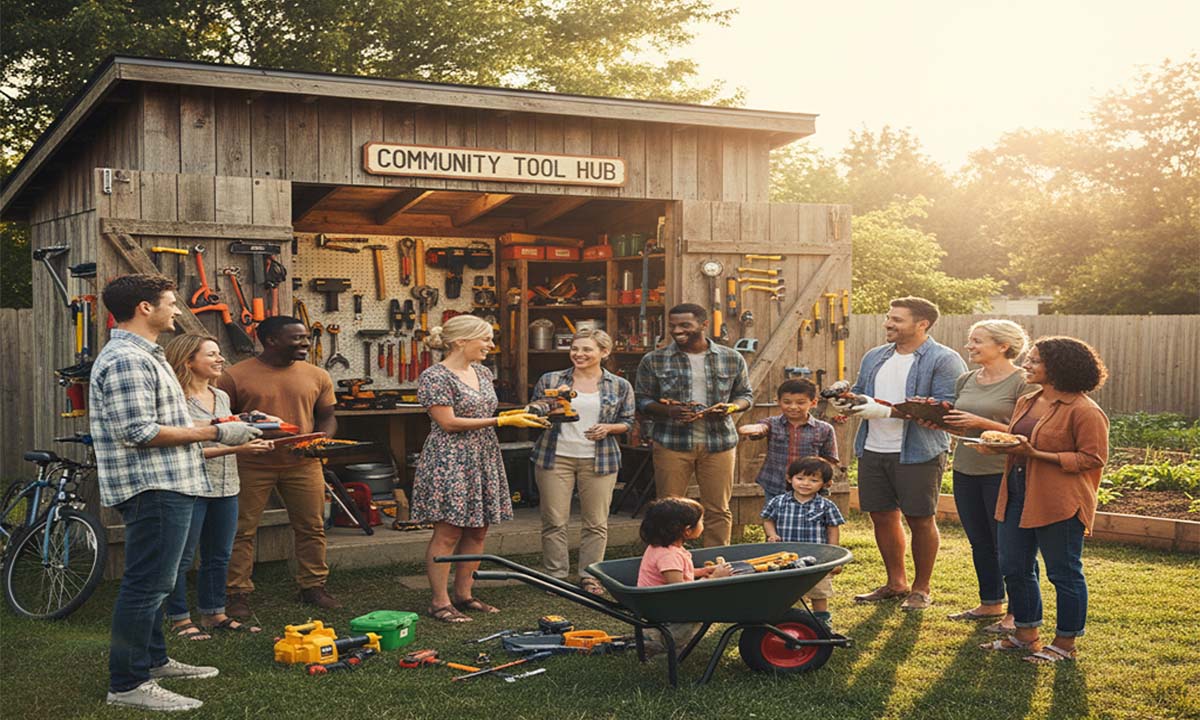
Sharing has long been part of human culture, but structured systems for tool-borrowing give it fresh relevance across continents. Cities across Europe, North America, and Asia have shown that borrowing equipment creates less demand for manufacturing. A single drill, ladder, or large cookware used by multiple households leads to fewer industrial emissions and reduced landfill waste. This creates a more sustainable way of living that still allows people to complete projects they care about.
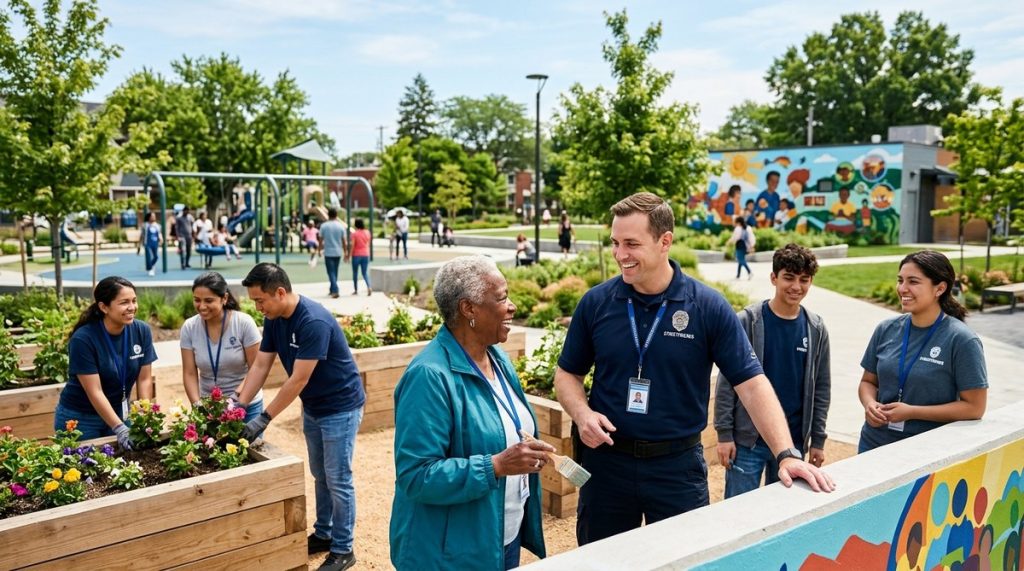
The social impact is equally meaningful. With much of today’s communication happening through screens, many individuals rarely meet their neighbors. A tool-sharing hub changes that. It becomes a place where people exchange stories, offer tips, and lend a hand. If someone borrows equipment for a child’s birthday setup, another member might share helpful advice on the safest way to use it. These small interactions nurture trust and create a supportive environment, helping to foster inclusive community spaces where people feel welcome and connected. This positive atmosphere can also extend to supporting activities like inclusive games for all ages that bring people together.
Selecting the Right Location for a Community Hub
The success of any sharing initiative begins with the location. The space must be easy to reach, especially for people who rely on walking or public transport. Community centers, local libraries, and volunteer-owned garages often work well. The area should be dry, secure, and spacious enough to store equipment without risk of damage. Good lighting and ventilation also make record-keeping and maintenance easier.
Security plays a major role too. Locks, sturdy doors, and, when possible, a simple camera system help protect the items. Yet beyond physical safeguards, the atmosphere must feel inviting. People participate more actively when they feel that the space welcomes individuals from all backgrounds. A warm, open environment encourages neighbors to drop by, browse, and contribute.
Gathering Equipment for the First Batch of Inventory
Creating the first collection of tools does not require a major investment. Donations often form the foundation of successful hubs. Many households have items they rarely use but are still in excellent condition. Hosting a small event or posting a call for donations online helps explain the project’s purpose and attract supporters.
For the initial phase, it’s practical to focus on items that people frequently need:
- Home repair tools such as power drills, saws, and sanders
- Event essentials such as large pots, tables, and foldable chairs
- Recreation gear such as tents or musical instruments
Every item must be checked carefully before it enters the inventory. Safety remains the top priority. Organizing a cleaning and repair day with volunteers helps restore donated items and gives everyone a sense of ownership. Shared effort creates shared pride, allowing the hub to grow with strong community involvement.
Managing the Borrowing Process and Maintenance
A smooth system keeps the hub running effectively. Instead of relying on handwritten logs, many groups use free digital tools designed for community lending. They allow users to track equipment, borrowing dates, and return deadlines. Some hubs collect a small membership fee or optional donations to fund maintenance needs.
Repairs require a dedicated team. Hosting “repair meetups” gives volunteers a space to fix broken items together. This reduces costs and gives members a chance to learn practical skills. When people see that the equipment is cared for properly, they become more mindful about returning items clean and functional. A culture of responsibility rises naturally and strengthens the entire system.
Keeping the Project Safe and Legally Compliant
Shared equipment, especially electrical tools, involves certain risks. This is why many hubs ask members to sign a simple agreement acknowledging proper use guidelines. It helps clarify expectations and protects the organization from liability. Manuals or safety cards should accompany every item. Some groups attach QR codes that link directly to demonstration videos.
As the project grows, insurance becomes a wise safeguard. It protects organizers and volunteers from unexpected incidents. Checking local regulations ensures long-term stability and shows that the hub operates with professionalism and transparency.
Expanding Reach Through Practical Use of Technology
Digital tools help community hubs connect with a wider audience. A modest website or active social media page can showcase available equipment, highlight success stories, and remind members of events. People love seeing real examples such as a garden transformed with borrowed tools or a repaired piece of furniture saved from disposal.
Messaging groups also help members ask questions quickly or receive announcements. Yet technology should only support, not replace, human interaction. The heart of the project remains the in-person experiences friendly greetings, shared knowledge, and a sense of belonging. A balanced approach strengthens relationships and keeps the hub grounded in genuine community values.
Global Trends in the Sharing Economy
Around the world, tool-sharing hubs appear in varied forms. Toronto has locations dedicated to arts and crafts equipment. London uses mobile container-based hubs that relocate easily. These examples show how flexible the concept can be. A project does not need to start large. Even a small shelf filled with gardening tools can ignite local interest.
International experiences also highlight the value of collaborating with local government units and nonprofit organizations. When a hub becomes recognized as a valuable community service, it becomes easier to receive support, funding, and partnerships. Shared-resource systems address modern challenges by promoting practical, collective solutions. They remind people that value lies not in ownership, but in access and cooperation.
Building a Dependable Team of Volunteers
Behind every successful hub is a group of committed volunteers. Each person brings different skills. Some understand accounting and manage records. Others enjoy handling repairs and technical tasks. Friendly, welcoming volunteers help members feel comfortable during visits. Recognizing their contributions, whether through appreciation events or simple gratitude, helps sustain their passion.
Volunteers should also participate in planning. When they feel involved, they take greater responsibility. Regular meetings give everyone a chance to raise concerns, propose improvements, and brainstorm future projects. A positive and united team inspires members and encourages them to follow the hub’s rules and values.
Common Challenges and Practical Solutions
Every community project faces obstacles. Items may be returned late or accidentally damaged. Clear policies help address these issues. Some hubs implement small fines for late returns or ask borrowers to cover the cost of replacement parts. Fairness and transparency prevent misunderstandings.
Funding can also be difficult. Crowdfunding campaigns, small fundraising events, or selling unusable scrap materials help bridge gaps. Local businesses may provide sponsorship in exchange for simple recognition. Creativity often turns challenges into opportunities, strengthening the hub with each experience.
Partnering With Local Schools and Institutions
Schools play an important role in expanding community initiatives. Students can visit the hub to learn practical skills and understand responsible resource use. Some programs include the hub as part of student service hours, giving young people a chance to contribute while learning valuable lessons in teamwork and sustainability.
Libraries also make ideal partners. Since people already associate libraries with borrowing, incorporating tools into their services feels natural. These partnerships help the hub gain public trust and broaden its reach.
How Collaboration Transforms Daily Life
The true impact of a sharing hub appears in everyday moments. A neighbor successfully installs shelves without buying new equipment. A family enjoys a weekend camping trip using borrowed gear. These small achievements represent meaningful progress toward a supportive and resourceful community.
When one neighborhood succeeds, nearby areas often follow. Tool-sharing encourages people to rethink consumption habits, focusing on access rather than accumulation. This shift benefits households, the environment, and local relationships. It demonstrates that when people share what they have, even ambitious projects become possible. This concept aligns closely with the broader principles of circular economy, emphasizing resource efficiency and waste reduction.
Communities that embrace sharing become more resilient. They save money, reduce waste, and grow stronger together. In the end, the greatest asset of any place is the cooperation and care shown by the people who live there.