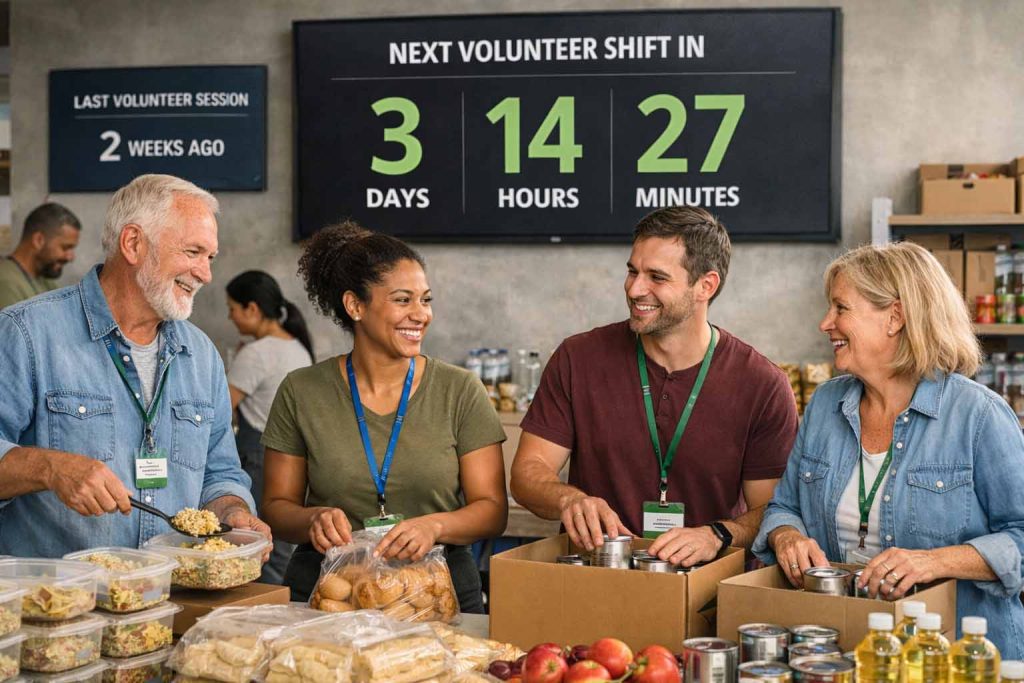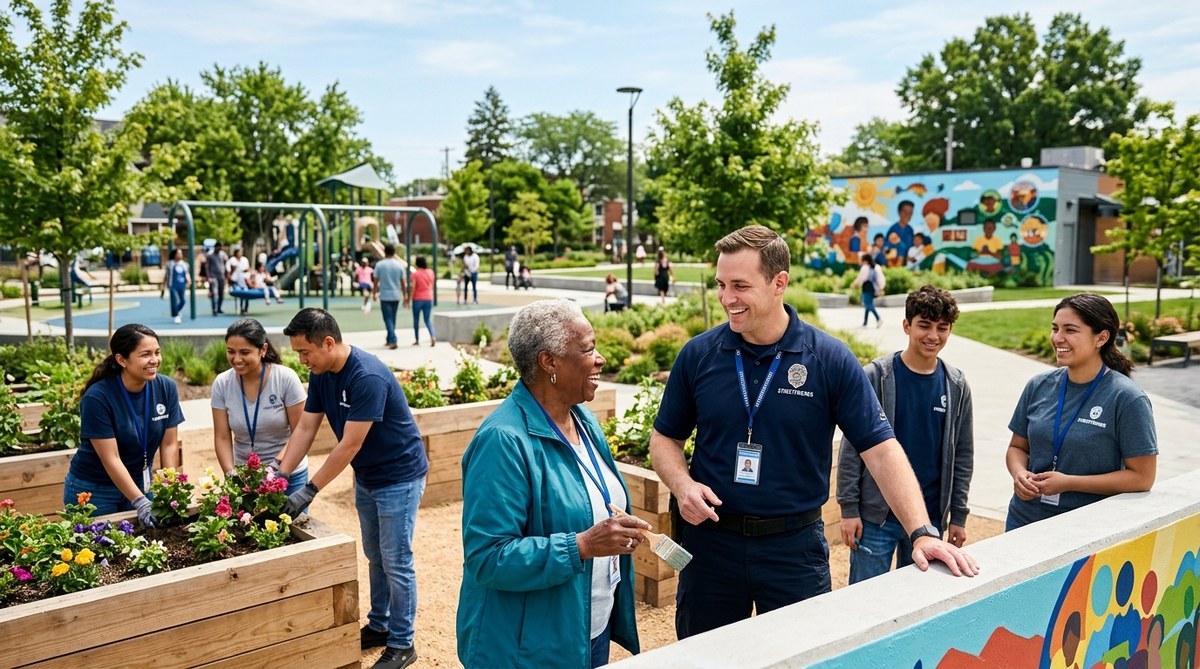
Imagine a neighborhood where every person feels seen and safe, not because of a badge alone but because neighbors look out for one another. StreetFriends believes safety is a shared responsibility built through wellness, learning, and grassroots mutual aid. In this article we explore the community safety programs that truly make a difference, how they fit into a broader framework that goes beyond policing, and how you can get involved to help strengthen the safety net in your community.
Why Community Safety Needs More Than Policing
Policing is one piece of a much larger safety puzzle. When a community relies primarily on law enforcement to address harm and fear, problems often shift rather than disappear. Community safety rooted in relationships, prevention, and restorative practices yields more lasting peace for everyday neighbors. Here is why a wider approach matters:
- Safety is preventive as well as responsive. Programs that support mental health, conflict resolution, and trauma recovery reduce escalations before they become crises.
- Trust and belonging reduce fear. When residents know they can access help from familiar neighbors and trusted professionals, they report issues earlier and cooperate more readily.
- Accountability and healing matter. Restorative approaches hold harm accountable while prioritizing the needs of those affected, including people who are most vulnerable.
In practice, this means blending wellness supports with structured learning, mutual aid networks, and community driven safety planning. StreetFriends centers its work on this blend and invites every neighbor to participate in building safer, more resilient communities.
Wellness and Learning as Foundations
A strong safety system starts with people feeling healthy, heard, and hopeful. Wellness and learning not only protect individuals but strengthen the fabric of the entire neighborhood.
- Mental health supports that are accessible and stigma free
- Trauma informed practices for all programs and staff
- Education on safety skills that empower residents to act calmly in difficult moments
- Peer support circles that normalize asking for help
Key programs we champion include:
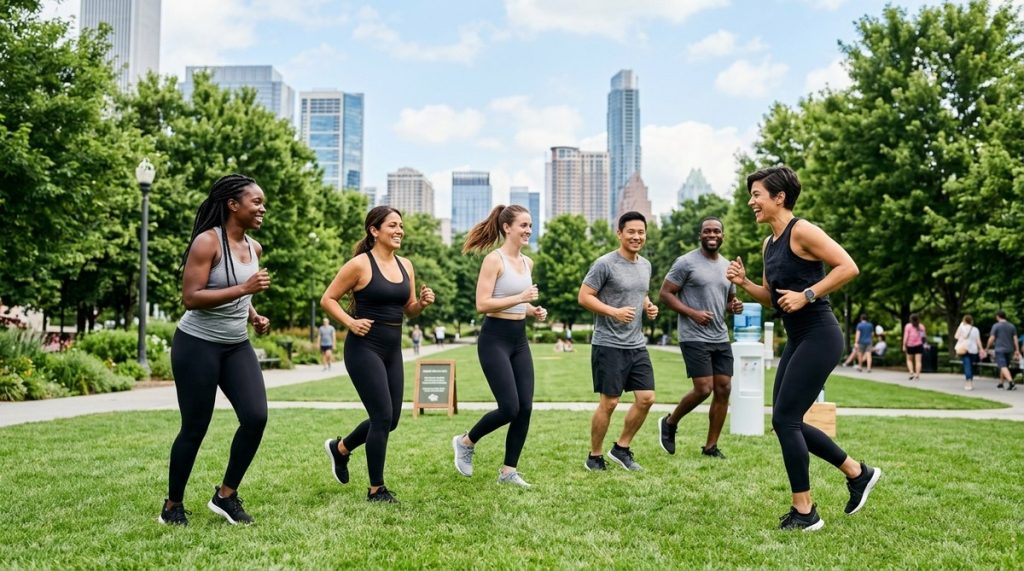
- Community wellness circles that bring neighbors together to share coping strategies, successes, and resources
- On demand emotional support and crisis de escalation coaching for volunteers and staff
- Wellness check ins for families with school age children and seniors
- Training that translates knowledge into practical safety habits at home, at school, and in public spaces
By investing in wellness first, safety second becomes natural. When people feel physically and emotionally secure, they are more likely to participate in prevention efforts, mentor younger neighbors, and collaborate on solutions.
StreetFriends Safety Programs in Action
Below is a snapshot of the kinds of programs StreetFriends develops and supports. Each program is designed to be accessible, culturally respectful, and adaptable to diverse neighborhoods.
1) Wellness and Crisis Support
- 24/7 listening lines for immediate emotional support during difficult moments
- Rapid response teams that connect people to mental health professionals when appropriate
- Short term stabilization spaces where individuals can decompress and plan next steps
- Peer mentors who share lived experience and guide others in navigating services
2) Safe Learning Pathways
- Workshops on personal safety without relying on punitive approaches
- Conflict resolution and de escalation trainings for families, youth, and community organizations
- Digital safety and misinformation literacy classes for all ages
- Resource navigation clinics that help people access housing, food, healthcare, and legal aid
3) Neighborhood Safety Hubs
- Local drop in centers where residents can collaborate on safety planning
- Community watch style activities reframed as mutual aid partnerships
- Access to equipment like first aid kits, safety lighting, and reflective gear for night hours
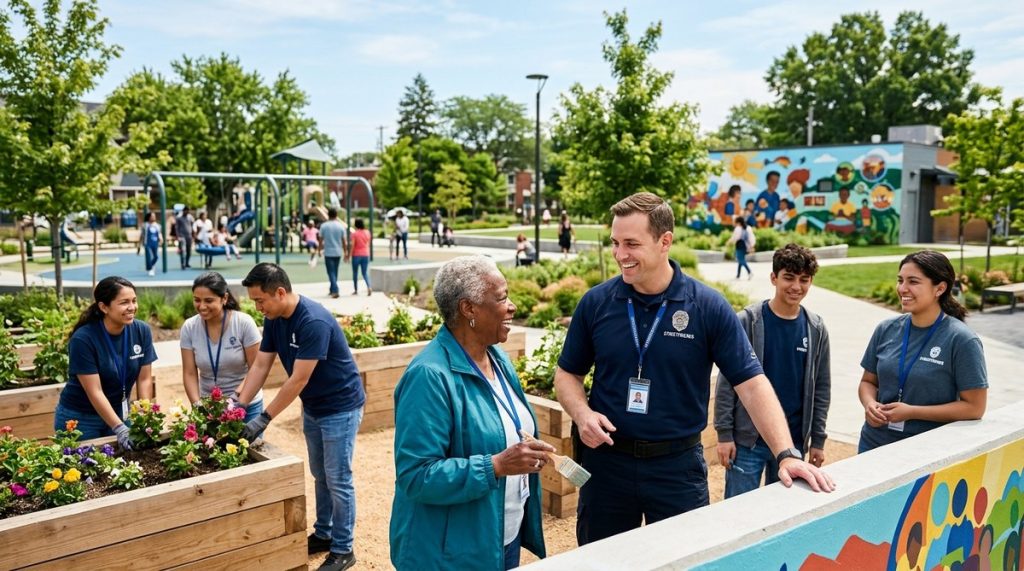
- Family friendly events that reinforce safety while building neighborhood pride
4) Mutual Aid and Resource Networks
- Neighborhood led resource maps to identify and share critical supports
- Emergency fund pools to cover urgent needs such as rent, utilities, or transportation costs
- Volunteer rosters that connect neighbors to opportunities based on skills and interests
- Coordination with local service providers to minimize duplication and maximize impact
5) Restorative Justice Circles
- Community led circles that address harms through dialogue rather than punishment
- Guided accountability processes that center affected parties and community safety
- Healing circles that include youth, families, and elders
- Clear pathways from restorative practices to reintegration and sustained behavior change
6) Community Mediation and De-Escalation Training
- Trained mediators to resolve neighborhood conflicts before they escalate
- Scenario based practice in de escalation and compassionate communication
- Training for schools, faith communities, and youth organizations to implement internal mediation
- Ongoing coaching and follow up to ensure skills are used in real world settings
7) Youth Empowerment and Family Safety
- Leadership programs for youth to design and run safety initiatives
- Family safety nights with activities focused on communication, boundary setting, and support seeking
- Mentorship connections linking youth to positive role models
- Community service projects that build empathy and responsibility
All of these programs are designed to be low barrier, culturally affirming, and sustainable. They work together to create a safety ecosystem where people feel capable of helping themselves and each other.
Building Community Based Safety Frameworks
Safety does not happen by accident. It grows from deliberate frameworks that place people at the center, respect lived experience, and align with local assets. Here are core elements that shape StreetFriends approach to community based safety.
Alternative Response Models
- When a situation involves mental health crisis or non violent conflict, trained responders partner with clinicians and social service providers rather than defaulting to police intervention.
- Care teams assess the unique needs of each call and determine if on site support, referral to services, or community mediators are the best fit.
De-Escalation and Communication Skills
- Training across the community to recognize early warning signs of conflict
- Techniques for calm language, active listening and non judgmental responses
- Practice with real world scenarios to build muscle memory and confidence
Data Driven Safety Planning
- Collecting community feedback to identify recurring concerns and trends
- Tracking outcomes such as incidents de escalated, referrals made, or supports accessed
- Using insights to adjust programs, recruit partners, and allocate resources effectively
Policy and Advocacy for Safer Communities
- Advocating for policies that strengthen safety without expanding punitive enforcement
- Building coalitions with local organizations to advance restorative justice, housing stability, and neighborhood invest ments
- Public education campaigns that explain how non police responses fit into a stronger safety system
These frameworks are not abstract ideas. They are concrete, day to day practices that StreetFriends implements with community partners, volunteers, and residents. The goal is to shift trust toward a collaborative model where safety is a shared responsibility and outcomes are measured by well being, trust, and healthy relationships.
Restorative Justice in Practice
Restorative justice emphasizes accountability, repair, and healing rather than punishment alone. It centers those who are harmed and provides a path for the responsible party to make things right in a meaningful way. Here are how restorative practices can work in neighborhoods and schools.
Principles
- Safety and dignity for everyone involved
- Respect for the voice of victims and impacted community members
- Responsibility and accountability without retribution
- Opportunities for reintegration and community healing
Applications in the Neighborhood
- Community led circles to address minor harms between neighbors
- School based restorative circles to resolve conflicts and improve climate
- Workplace style restorative sessions for volunteers and staff
- Neighborhood level accountability processes that reinforce social norms and mutual care
Accountability and Healing
- Action plans that specify concrete steps to repair harm
- Access to supports such as counseling, financial assistance, or mediation
- Public restoration events that publicly acknowledge harm and celebrate healing progress
Circles and Restorative Practices
- Rooted in dialogue, not domination
- Facilitated by trained community members to ensure fairness
- Built around consent and voluntary participation
- Repeated as needed to sustain trust and prevent recurrence
In practice restorative justice is a powerful complement to prevention and deterrence. It gives communities a way to address harm while preserving relationships and promoting growth.
Grassroots Mutual Aid Networks
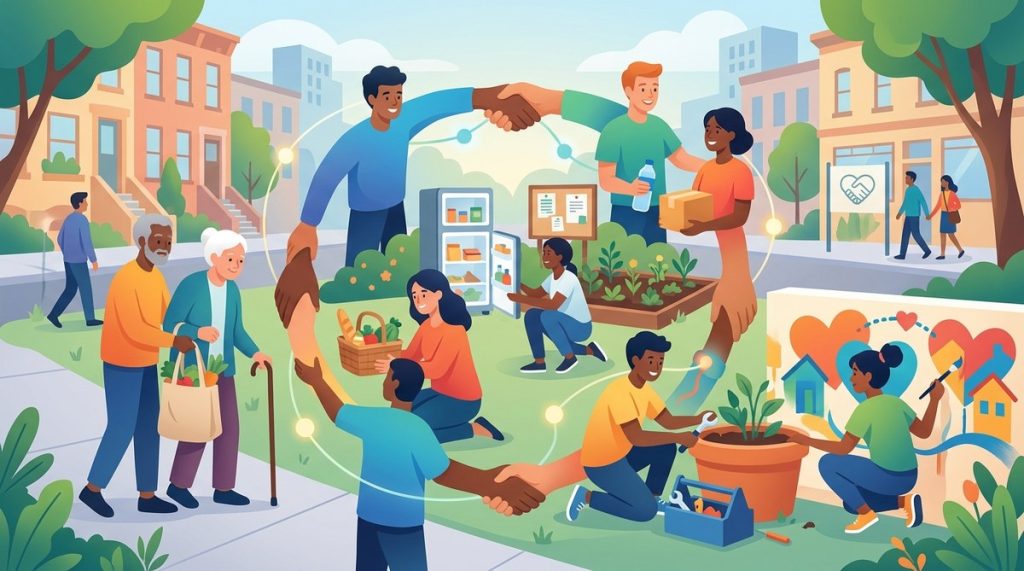
Mutual aid is neighbor led care at scale. It answers the question, what does a community do when formal services are insufficient or inaccessible? StreetFriends supports mutual aid infrastructure that is locally owned and responsive to real life needs.
- How mutual aid works in neighborhoods
- Neighbors identify shared needs
- People contribute time, skills, or financial support
- Resources are distributed equitably through transparent processes
- Benefits of mutual aid
- Builds social capital and trust
- Increases resilience during emergencies
- Reduces reliance on expensive or impersonal systems
- How to organize a mutual aid circle
- Define a clear mission and scope
- Recruit volunteers with diverse skills
- Establish simple governance and accountability
- Create a fund or resource pool for urgent needs
Mutual aid is not charity alone; it is a lever for collective empowerment. When neighbors help neighbors, the safety net grows stronger and more inclusive.
Measuring Impact and Stories of Change
Quantitative metrics tell part of the story, but the real heart of community safety lies in people’s lived experiences. StreetFriends tracks a mix of indicators that reflect both safety outcomes and social well being.
- Process metrics
- Number of trainings delivered
- Number of volunteers engaged
- Hours of crisis support provided
- Outcome metrics
- Reductions in conflict escalations in partner spaces
- Increases in emergency referrals connected to supportive services
- Improvements in perceived neighborhood safety and trust
- Qualitative stories
- Neighbor testimonials about feeling safer at night
- Youth participants describing growth in leadership
- Families sharing how restorative circles changed family dynamics
To keep this work accountable, we collect feedback regularly, hold community check ins, and publish annual impact reports that celebrate wins and identify opportunities for growth. Everyone has a role in shaping the outcomes we care about most: safety, dignity, and belonging.
How to Get Involved
If this approach to community safety resonates with you, there are many entry points to participate, contribute, and lead.
- Volunteer your time
- Lead or co facilitate a wellness circle
- Mentor a youth participant
- Help plan a restoration circle or mediation session
- Attend an orientation
- Learn about StreetFriends programs and how to plug in
- Meet staff, volunteers, and local partners
- Donate or organize fundraisers
- Support emergency resources, training, and materials
- Host community events to raise awareness and funds
- Start a mutual aid circle
- Gather neighbors who share a need or skill
- Create a simple plan to address urgent requests
- Take a pledge to rethink safety
- Commit to non punitive responses and restorative practices
- Share your pledge with your network to inspire others
- Connect with local partners
- Schools, faith communities, small businesses, and health providers
- Build a coalition that expands safe options for everyone
Ways to engage are designed to be flexible. Whether you can contribute weekly or just a few hours a month, your participation helps build a stronger safety net for your community.
Real World Stories and Practical Wins
Across neighborhoods, StreetFriends programs are fueling tangible improvements. Here are a few illustrative examples of how these ideas translate into daily life.
- A family avoided escalation during a tense neighborhood dispute after a scheduled de escalation session and a quick connection to a counselor
- A group of high school students led a peer mentoring project that created safer routes to school and reduced lateness
- A community hub hosted a first aid and mental health basics workshop that left participants feeling more confident to help a neighbor in need
- A restorative circle resolved a misunderstanding between two blocks, leading to a better alleyway lighting plan and shared safety patrols
These stories highlight the ripple effect that begins with listening and grows into coordinated action. Every neighbor has a role in turning small acts of care into lasting safety gains.
A Clear Path Forward for StreetFriends Community Safety
The work of building safe communities is ongoing and collective. StreetFriends invites you to partner with us in three practical steps:
- Learn and grow
- Join a training to develop skills in trauma informed care, de escalation, and restorative practices
- Share resources and knowledge with your circle of friends, family, or colleagues
- Lead and implement
- Champion a neighborhood safety project that aligns with local needs
- Recruit volunteers and mentors to sustain momentum
- Reflect and adapt
- Use feedback to refine programs and ensure inclusive participation
- Celebrate milestones and acknowledge challenges openly
By combining wellness, learning, and mutual aid with restorative justice, StreetFriends champions a safety model that protects dignity and builds resilience at the neighborhood scale.
Frequently Asked Questions
- Do these programs replace policing
- No. They complement policing by offering non punitive and supportive options when crises arise.
- Who can participate
- Everyone is welcome. Programs are designed to be accessible to diverse communities and tailored to local contexts.
- How are outcomes measured
- Through a mix of process metrics, outcome metrics, and personal stories. Data informs improvements and resource allocation.
Final Thoughts
Community safety is most powerful when it is built from the ground up with neighbors supporting one another. Wellness, learning, and grassroots mutual aid create a safety net that is flexible, compassionate, and effective. Restorative justice adds a healing dimension that sustains relationships even after harm occurs. By embracing alternative response models, de escalation, and youth and family engagement, StreetFriends demonstrates a practical, scalable approach to safety that aligns with the needs and strengths of real communities.
If you are looking for a way to contribute to safer neighborhoods, consider starting with a wellness circle, volunteering as a mentor, or organizing a mutual aid project in your area. Together, we can build communities where safety is not just the absence of danger but the presence of care, connection, and opportunity for everyone. Reach out through StreetFriends to learn more about upcoming trainings, local chapters, and how you can help turn these programs into daily realities in your neighborhood.