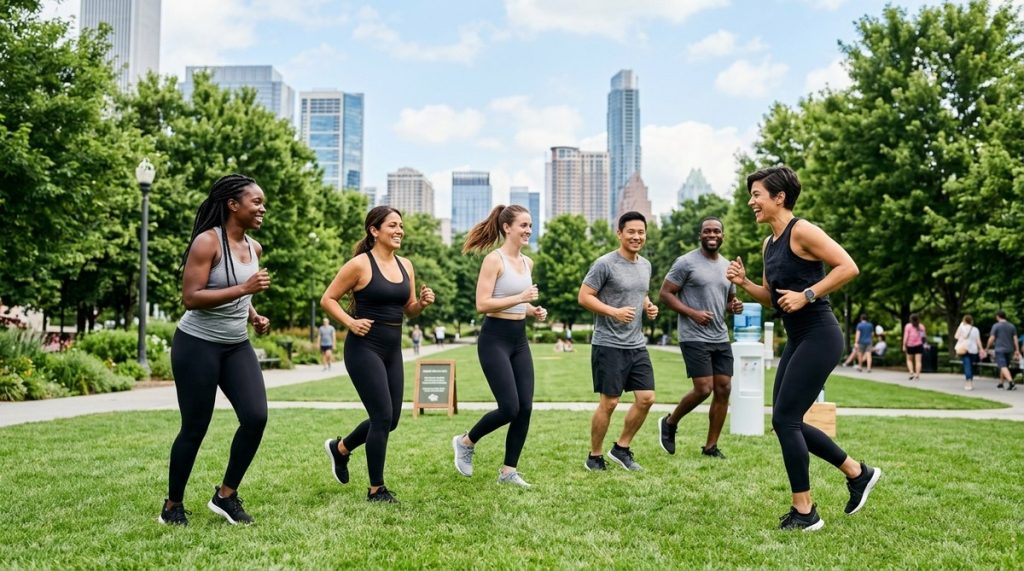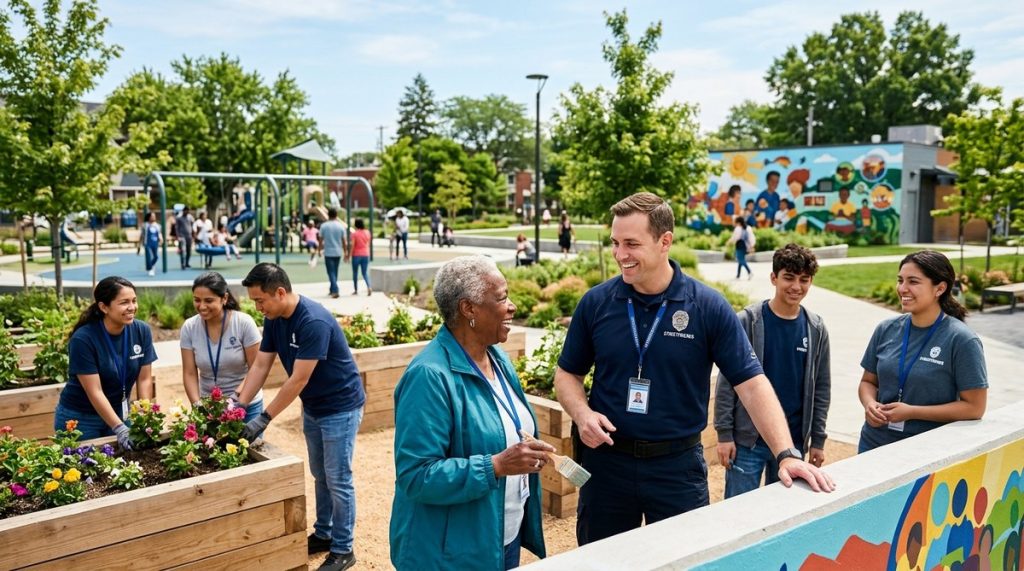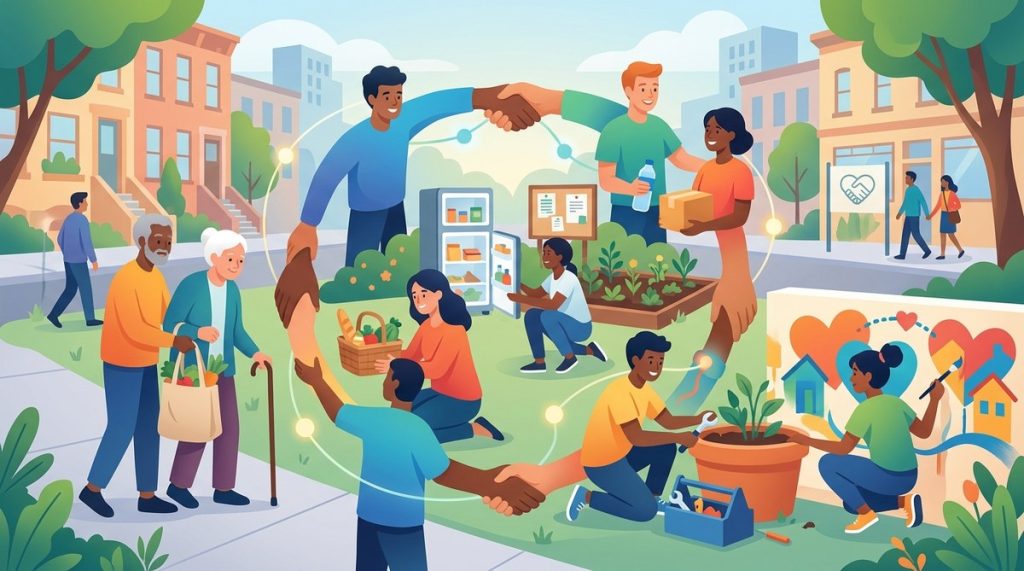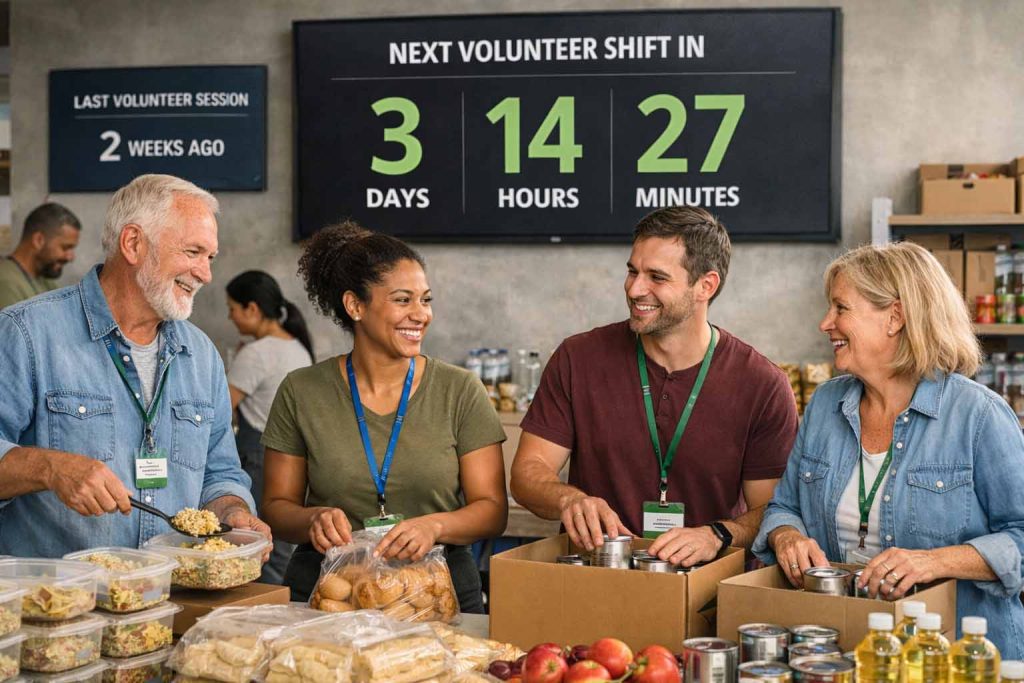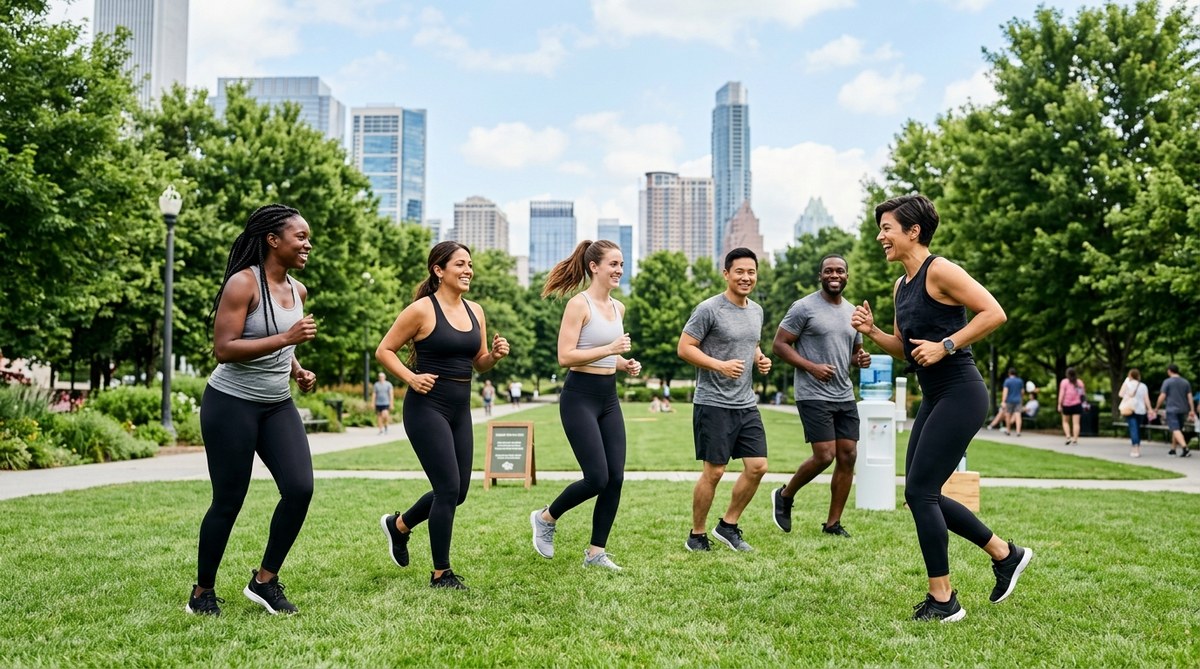
Imagine a neighborhood where neighbors know each other by name, where a quick check in on someone who might be isolated lifts a care burden for an entire block, and where learning circles spark new skills that improve daily life. This is the heart of grassroots wellness. At StreetFriends.org we believe wellness grows best when it happens close to home, led by people who live there, and built on the simple but powerful idea of mutual aid. In this article we will explore what grassroots wellness looks like in practice, why it works, and how you can start or strengthen initiatives that promote health, learning, and safety for all in your community.
What grassroots wellness means
Grassroots wellness is a people centered approach to health and well being that starts with the community itself. It emphasizes inclusion, accessibility, safety, and shared responsibility. Instead of top down programs designed in isolation, grassroots wellness invites neighbors to identify needs, co design solutions, and support one another through everyday actions.
Key ideas include:
– People powered action: residents organize, lead activities, and sustain programs.
– Inclusive participation: programs are designed for all ages, abilities, and backgrounds.
– Mutual aid as a foundation: members give and receive help across social networks.
– Learning as a core ingredient: skills, knowledge, and resources circulate within the community.
– Safety and dignity as non negotiables: safe spaces, consent, and respectful collaboration are central.
At StreetFriends.org, wellness is more than physical health. It encompasses mental and emotional wellbeing, safe environments, opportunities to learn new skills, and pathways to help neighbors help each other. This holistic view makes grassroots wellness a practical, repeatable approach for communities of all sizes.
Why grassroots wellness works
Grassroots models work for several reasons that national or corporate led programs often struggle to match.
- Local knowledge drives relevance. When programs emerge from lived experience, they address real barriers and fit local cultures and rhythms.
- Trust accelerates participation. People join when they recognize familiar faces and feel safe sharing concerns.
- Flexibility fuels resilience. Grassroots efforts adapt when staffing shifts, funding changes, or new needs arise.
- Mutual aid builds social capital. Reciprocal support creates strong bonds that extend beyond specific programs.
- Learning extends beyond information sharing. Skill building and mentorship empower individuals to take ownership of their health and safety.
Research from various community focused perspectives reinforces that grassroots organizations play a critical role in improving health outcomes for marginalized groups, especially when they combine advocacy with practical support. While every community is unique, the core principles of inclusivity, co creation, and safety remain universal accelerants for sustained impact.
Core components of effective grassroots wellness initiatives
Creating a successful grassroots wellness program means weaving together several interdependent components. Below is a practical framework you can adapt to your local context.
1) Accessible and inclusive design
- Start with a simple needs assessment that invites input from diverse neighbors.
- Offer programs at multiple times and locations, including evenings and weekends.
- Provide transportation support and childcare options where possible.
- Use plain language materials and multilingual options to reach more people.
2) Safety and trust building
- Establish clear ground rules for all activities.
- Create a volunteer safety team that can support participants and de escalate tense situations.
- Ensure confidentiality and informed consent for all services and peer mentoring.
3) Learning and skill building
- Host regular learning circles on topics such as basic first aid, nutrition on a budget, mental health literacy, or financial wellbeing.
- Encourage peer led sessions to amplify community knowledge.
- Tie learning to practical actions, like starting a small garden, organizing a food pantry, or conducting a neighborhood safety walk.
4) Mutual aid networks
- Build a network of neighbors who can share resources such as meals, clothing, transportation, or information about local services.
- Create a simple referral system so people know where to turn for help without stigma.
- Document and share success stories to inspire broader participation.
5) Partnerships and collaboration
- Align with local clinics, schools, faith groups, libraries, and other nonprofits to extend reach.
- Leverage existing community assets such as community centers, parks, or place of worship for events.
- Invite local volunteers with different skill sets to broaden program capacity.
6) Measurable impact and continuous learning
- Set clear goals and monitor progress with simple metrics.
- Collect feedback after activities to inform iterative improvements.
- Share results with the community to maintain transparency and trust.
Real world examples and case studies
While StreetFriends.org emphasizes inclusive wellness and safety, these practical examples illustrate how grassroots wellness unfolds in neighborhoods.
- Community wellness circles
- Small, recurring gatherings where neighbors share experiences and learn practical health tips.
- Outcomes include increased health knowledge, stronger social ties, and higher program participation.
- Neighborhood safety support
- Volunteer safety ambassadors conduct walk groups, light checks, and escort peers to services after dark.
- Outcomes include enhanced perceived safety and reduced barriers to accessing essential services.
- Mutual aid hubs
- Pop up events that distribute essential supplies, locate resources, and connect people to social services.
- Outcomes include reduced food insecurity, better access to services, and strengthened trust among residents.
- Youth and elder reciprocal programs
- Youth mentors provide tutoring or digital literacy, while elders offer storytelling and life skills.
- Outcomes include cross generational learning, empowerment for youth, and preservation of local culture.
Case studies in grassroots wellness consistently show higher engagement when participants see direct benefits, relationships built on trust, and leadership opportunities that recognize varied abilities and backgrounds. By combining everyday acts of care with opportunities to learn and contribute, these programs create sustainable momentum.
How to start a grassroots wellness initiative at StreetFriends.org
If you are considering launching or expanding grassroots wellness within StreetFriends.org, here is a practical roadmap.
Step 1: Clarify mission and scope
- Write a one page mission statement that centers on inclusive wellbeing, learning, and safety.
- Identify the core audiences you want to serve (for example families, seniors, youth, new neighbors).
- Outline a small set of initial programs that can be started quickly and scaled later.
Step 2: Map community assets
- Create a list of local assets such as community centers, libraries, faith institutions, clubs, or workplaces.
- Identify potential partners who share similar values and can contribute space, volunteers, or expertise.
- Map gaps where programs are most needed, such as language access or transportation.
Step 3: Build a diverse advisory group
- Recruit participants who reflect the community you serve, including often underrepresented voices.
- Establish rotating roles so leadership opportunities are available to many people.
- Use this group to validate program designs and ensure cultural relevance.
Step 4: Design inclusive programs
- Co create a short list of activities that meet identified needs.
- Specify accessibility features for each program (location, language, childcare, sensory considerations).
- Plan for both in person and hybrid formats to reach more neighbors.
Step 5: Pilot and learn
- Run pilots with small groups and collect feedback.
- Use a simple evaluation framework to track what worked and what did not.
- Refine offerings based on data and participant suggestions.
Step 6: Fund, sustain, and scale
- Identify low barrier fundraising options such as community driven fundraising events or small grants.
- Build a case for support that highlights real stories and measurable outcomes.
- Develop a plan to sustain volunteers and prevent burnout with clear roles and recognition.
Step 7: Document and share impact
- Create a simple impact report with stories, numbers, and lessons learned.
- Share outcomes with the wider StreetFriends.org community to inspire replication.
- Encourage ongoing community feedback to keep programs relevant.
Tools and tactics that make grassroots wellness sing
The success of grassroots wellness often hinges on the right mix of formats, roles, and partnerships. Consider these practical tools.
- Formats
- In person gatherings such as wellness circles, safety walks, and skill sharing sessions.
- Short online forums or chat groups to sustain connection between events.
- Mobile pop ups in different neighborhoods to reach underserved residents.
- Roles
- Wellness coordinators who plan and organize activities.
- Safety ambassadors who support safe participation and de escalate conflicts.
- Educators who lead skill building and health literacy workshops.
- Partnerships
- Local clinics for health information and screening events.
- Schools and youth organizations for youth focused programs.
- Libraries and community centers for space and access to resources.
- Accessibility tools
- Transportation assistance, childcare options, translated materials.
- Clear signs, accessible formats for materials, and inclusive language guidelines.
- Digital strategies
- Simple newsletters, community updates, and event calendars.
- Online forums for ongoing questions and peer support while maintaining privacy.
Measuring success and learning from the process
Measuring impact is essential to staying relevant and attracting support. Focus on practical indicators that reflect both participation and outcomes.
- Participation and retention
- Number of participants at each activity.
- Repeat attendance and growth over time.
- Satisfaction and sense of belonging
- Short surveys at the end of events asking about comfort, usefulness, and belonging.
- Qualitative feedback through focus groups or listening sessions.
- Knowledge and skills gained
- Pre and post assessments for key workshops.
- Tracking the number of neighbors who report applying a new skill.
- Safety and access
- Reports of safety concerns or incidents related to programs.
- Accessibility improvements implemented after feedback.
- Social capital and relationships
- Number of neighbor to neighbor support connections formed.
- Stories of mutual aid that illustrate reciprocity in action.
Share these results in regular community updates so participants understand the impact and feel ownership over the program.
Common challenges and practical remedies
Every grassroots effort faces obstacles. Here are common challenges and straightforward ways to address them.
- Trust is hard to build quickly
- Start with transparent communication, involve community members in decision making, and highlight early wins.
- Funding can be uncertain
- Diversify funding streams with small donors, local businesses, and micro grants.
- Barriers to participation
- Offer multiple access points, provide transportation and childcare, and ensure events are affordable or free.
- Volunteer burnout
- Rotate leadership, recognize volunteers, and create clear, manageable roles.
- Data privacy concerns
- Be transparent about data collection, minimize sensitive information, and implement strong confidentiality practices.
The role of mutual aid and inclusive culture
Mutual aid lies at the heart of grassroots wellness. It is not charity, but a reciprocal system of care where neighbors give what they can and receive what they need. When communities embrace mutual aid along with learning and safety, they grow robust networks of resilience.
- Mutual aid activities to consider
- Time banking where neighbors exchange services.
- Community gardens managed by residents.
- Peer mentoring programs linking experienced neighbors with newcomers.
- Safety escorts and neighborhood patrols coordinated with local authorities as appropriate and safe.
- Cultivating inclusivity
- Prioritize language access, transportation support, and culturally responsive programming.
- Create spaces where everyone feels welcome, regardless of background or ability.
- Center the voices of those who experience health disparities and social exclusion.
Safety first in grassroots wellness
Safety is non negotiable in any grassroots effort. Programs that emphasize respectful engagement, consent, and clear boundaries are more sustainable and trusted.
- Develop a safety plan for every activity
- Clear instructions on how to participate, how to raise concerns, and how to pause an activity if needed.
- Train volunteers in de escalation
- Basic mediation, active listening, and trauma informed approaches.
- Protect participant privacy
- Use consent forms only when necessary, minimize collection of personal data, and secure information.
Why StreetFriends.org is a natural home for grassroots wellness
StreetFriends.org is built on inclusive communities through wellness, learning, and safety programs. The organization thrives when local neighbors lead the way, guided by mutual aid and shared responsibility. By embracing grassroots wellness as a core strategy, StreetFriends.org can expand reach, deepen impact, and empower more residents to participate in shaping their own health and safety.
- Local leadership: programs designed by and for the community they serve.
- Accessible learning: learning and safety programs that are easy to access for everyone.
- Safety oriented: a culture of respect, consent, and protective environments.
- Mutual aid culture: practical support that strengthens social bonds and resilience.
Getting started with StreetFriends.org today
If you are inspired to cultivate grassroots wellness in your neighborhood, here are quick steps to begin the journey with StreetFriends.org as a partner or guide.
- Join the StreetFriends community
- Sign up for newsletters to learn about upcoming events and opportunities.
- Attend an introductory gathering to meet organizers and neighbors.
- Share your ideas
- Bring a few program ideas that address local needs and align with the three pillars: wellness, learning, safety.
- Invite neighbors who are often left out to participate in planning.
- Start small, scale thoughtfully
- Pilot a single learning circle or safety walk and document outcomes.
- Use feedback to expand to additional programs and neighborhoods over time.
- Leverage local partners
- Reach out to libraries, clinics, schools, and faith communities for space and co hosting opportunities.
- Collaborate on shared campaigns that promote health literacy and safety awareness.
A practical starter kit for grassroots wellness
To help you take action, here is concise starter kit you can adapt.
- A mission statement that centers inclusivity and mutual aid
- A one page community needs assessment
- A simple program calendar for the first quarter
- Roles and responsibilities for volunteers
- A lightweight evaluation form for participants
- A contact list of local partners and resources
- A communications plan with accessible formats
Final thoughts
Grassroots wellness represents a practical and powerful approach to improving health, safety, and learning in communities. By centering neighbor led action, building trust through inclusive practices, and embracing mutual aid, StreetFriends.org can support neighborhoods in creating sustainable, resilient, and joyful cultures of wellbeing. The path is collaborative, with learning as a constant companion and safety as a compass.
If this approach resonates with you, consider reaching out to StreetFriends.org to explore how to participate, contribute, or collaborate. Together we can grow inclusive networks that nurture health, educate minds, and keep communities safe.
- Engage community members with listening sessions and open forums
- Build inclusive, flexible programs that meet real needs
- Scale up through partnerships and careful measurement
- Celebrate small wins that demonstrate the power of neighbor led wellness
Your neighborhood already has the seeds of grassroots wellness. With thoughtful design, shared responsibility, and a commitment to learning and safety, StreetFriends.org can help these seeds flourish into a vibrant, healthy, and connected community. Reach out today and start weaving your own story of grassroots wellness that works.