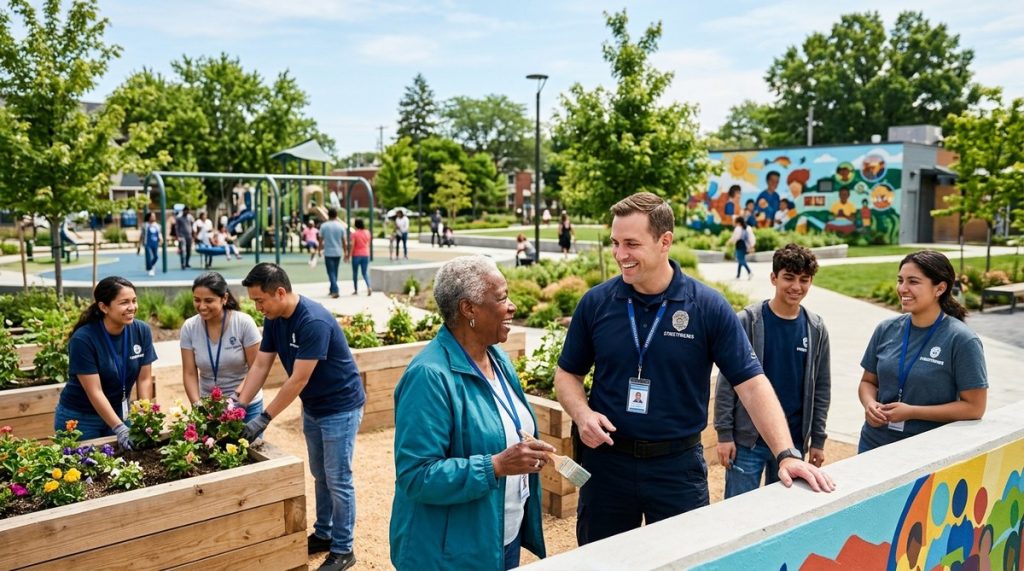
How Neighbours Can Build Safer Streets Through Community Support
A street can feel very different when someone knows your name. A neighbour notices that your shopping bag has split. Another waits with you at a poorly lit bus stop. Someone checks whether you need anything after a difficult week. These small acts cannot solve every safety problem. They can make asking for help feel easier and turn shared concerns into practical action.
Building a safer street starts with relationships people can rely on. Residents can share everyday support, organise activities that welcome different people and agree on how to respond when something goes wrong. The aim is a neighbourhood where people feel heard, supported and able to take part.
Small Steps Towards a Safer Street
- Build trust through useful, everyday acts of support.
- Make neighbourhood activities affordable and accessible.
- Use safety information alongside residents’ experiences.
- Agree on clear boundaries for sharing information and responding to concerns.
- Share responsibilities and review what actually helps.
Start With Conversations That Make Room for Everyone
Before arranging a meeting, talk to people where they already spend time. That might be outside a school, near a community garden or in the shared entrance of a block of flats. Ask what helps them feel comfortable locally. Ask what makes daily life harder. Leave space for answers that differ from your own.
A parent may worry about speeding near a crossing. A wheelchair user may struggle with bins blocking the pavement. A teenager may want somewhere to meet friends without being treated as a nuisance. An older resident may feel uneasy returning home after dark. Each concern deserves a fair hearing.
A crowded meeting will not suit everyone. Offer a paper feedback slip, a phone conversation or a chance to speak privately. If you use an online group, provide another way to contribute. People without internet access should still have a voice in decisions about their street.
Make Mutual Aid Useful and Manageable
Mutual aid means residents helping one another with needs they have identified themselves. It can begin with something modest. A few neighbours might collect groceries, share tools or accompany someone to a local activity. Ask what support would be useful before making assumptions about what another person needs.
Keep offers specific. “I can collect shopping on Tuesday afternoon” is easier to respond to than a general promise to help at any time. Be honest about limits. A dependable monthly commitment can be more useful than an ambitious arrangement that falls apart after a week.
Receiving support should not come with pressure to repay it. People contribute in different ways and at different times. Someone who cannot carry shopping might offer language practice, gardening advice or a friendly phone call. Others may need support without being able to offer anything back.
Protect Choice and Personal Information
Ask permission before sharing anyone’s phone number, address or circumstances. Agree on the contact details needed for a particular task and who may use them. Avoid posting details about illness, absence from home or personal difficulties in a large neighbourhood chat.
Residents should be free to decline help or step away from volunteering. For activities involving children or adults who need additional support, work with an established organisation that has suitable safeguarding arrangements. Friendly intentions still need clear boundaries.
Create Activities Where Relationships Can Grow
Community events give people a reason to meet before they need help. A shared meal, repair session, gentle walking group or seed swap can make introductions feel natural. Learning something side by side can also take the pressure off people who find open conversation difficult.
Choose activities with local residents, rather than deciding what they ought to enjoy. Keep costs low and explain any charges beforehand. Check step-free access, seating, toilets and transport options. Offer different times where possible, since caring responsibilities and working hours affect who can attend.
A welcome matters as much as the activity itself. Ask a volunteer to greet newcomers and explain what is happening. Avoid leaving new arrivals to find their own way into an established group. Give people permission to watch, take a break or leave early without explanation.
Make room for young people to shape events too. Ask about their interests and what would help them feel comfortable attending. A street becomes more welcoming when residents have a real say in how shared spaces are used.
Use Crime Information Alongside Everyday Experience
Safety discussions sometimes begin after an alarming message or a troubling incident. Looking at the UK crime rate can provide context for those concerns. Before drawing conclusions from any figures, check the area covered, the dates and the types of offences included. A broad comparison may not answer a question about a particular walking route or shared entrance.
Local knowledge adds another part of the picture. Residents may describe a broken light, repeated harassment or a crossing that feels difficult to use. Some experiences may never have been reported. Others may concern access, isolation or fear rather than a recorded offence.
Neither a statistic nor one person’s account should settle every community decision. Bring different sources of information into the conversation. Ask what is happening, who is affected and what response might help. Give people a private way to share experiences they do not want discussed publicly.
Choose priorities with a clear connection to residents’ needs. If several people avoid the same dark path, documenting lighting faults may be a useful first step. If people feel isolated, a regular social activity may answer a different need. Shared planning works best when it responds to the problems people actually describe.
Agree on a Shared Plan Before Problems Escalate
A community safety plan can fit on a single page. It should explain how residents raise concerns, who helps coordinate practical tasks and which issues need professional support. Keep the language plain. Make printed copies available for anyone who wants one.
Start with a few actions the group can realistically support:
- Record damaged lighting or obstructed paths and report them to the responsible service.
- Offer an opt-in buddy arrangement for residents who want company on local journeys.
- Choose a contact person and a backup for each agreed community task.
- Set chat rules against threats, personal accusations and sharing private information.
- Arrange a review date to check whether the actions have helped.
Separate urgent danger from routine concerns. An immediate threat needs the appropriate emergency response. A broken gate or recurring nuisance may need a landlord, council or another responsible service. Volunteers should not be expected to investigate offences or confront someone they believe may be dangerous.
A shared plan also needs boundaries around observation. Focus on behaviour and specific incidents. Someone’s age, clothing, ethnicity or unfamiliarity does not establish that they pose a threat. Community support should help residents feel welcome in public space.
Keep Neighbourhood Messages Calm and Useful
A group chat can help arrange a lift or locate a lost key. It can also spread anxiety when rumours travel faster than facts. Set expectations early. Ask people to describe what they directly observed, distinguish uncertainty from fact and avoid circulating accusations.
Moderators should be willing to remove abusive messages and protect personal information. Give residents a private route to raise a concern about the group itself. A person who feels targeted should not have to argue their case in front of the whole street.
Share useful outcomes as well as problems. Tell people when a light has been repaired or when a support session is running. Keep sensitive details private. Communication can show that practical action is possible without turning everyday life into a stream of warnings.
Share the Work and Notice What Changes
Community projects can become fragile when one person holds every contact and organises every activity. Divide tasks into manageable pieces. One resident might book a room, another welcome newcomers and another collect feedback. Offer short commitments so people can participate without taking on an open-ended role.
Review more than attendance. Ask whether people feel comfortable requesting help. Find out whose views are still missing. Check whether an activity is accessible in practice, rather than assuming that an invitation makes it inclusive.
Expect to adjust the plan. A meeting time may exclude shift workers. A busy chat may overwhelm some members. A walking group may need a shorter route. These findings give the group something concrete to improve. Let residents see how their feedback changes what happens next.
A Street Where Asking for Help Feels Ordinary
Safer streets grow through repeated, dependable actions. Someone follows up on a repair request. A newcomer receives a warm welcome. A resident can ask for company without feeling embarrassed. People disagree about a priority and still make space to listen.
Start with one useful action that neighbours have chosen together. Give it a clear purpose, share the responsibility and check how it works. As trust grows, residents can build support that fits their street and the people who call it home.