Living Library: Challenging Stereotypes Through Real Human Stories
Across many societies, stereotypes continue to shape how people see one another. These assumptions often grow from limited exposure, secondhand narratives, or incomplete information. Over time, they create distance, misunderstanding, and even discrimination between individuals and groups. Building a more inclusive and respectful global community requires more than just awareness; it calls for genuine community connection.
One approach that robustly supports this goal is the Living Library. This unique concept invites people to listen, ask questions, and engage directly with others whose life experiences differ significantly from their own. Through these honest, face-to-face conversations, it effectively opens a crucial space for empathy, reflection, and deeper, more nuanced understanding.
Quick Overview
The Living Library allows individuals to serve as “books” who share personal stories with “readers” in one-on-one conversations. These sessions often last 20 to 30 minutes and focus on real-life experiences shaped by identity, culture, or social challenges.
By creating a safe and respectful environment, the model helps reduce prejudice and encourages meaningful dialogue. It has been adopted worldwide in educational institutions, public spaces, and community programs.
How the Living Library Works
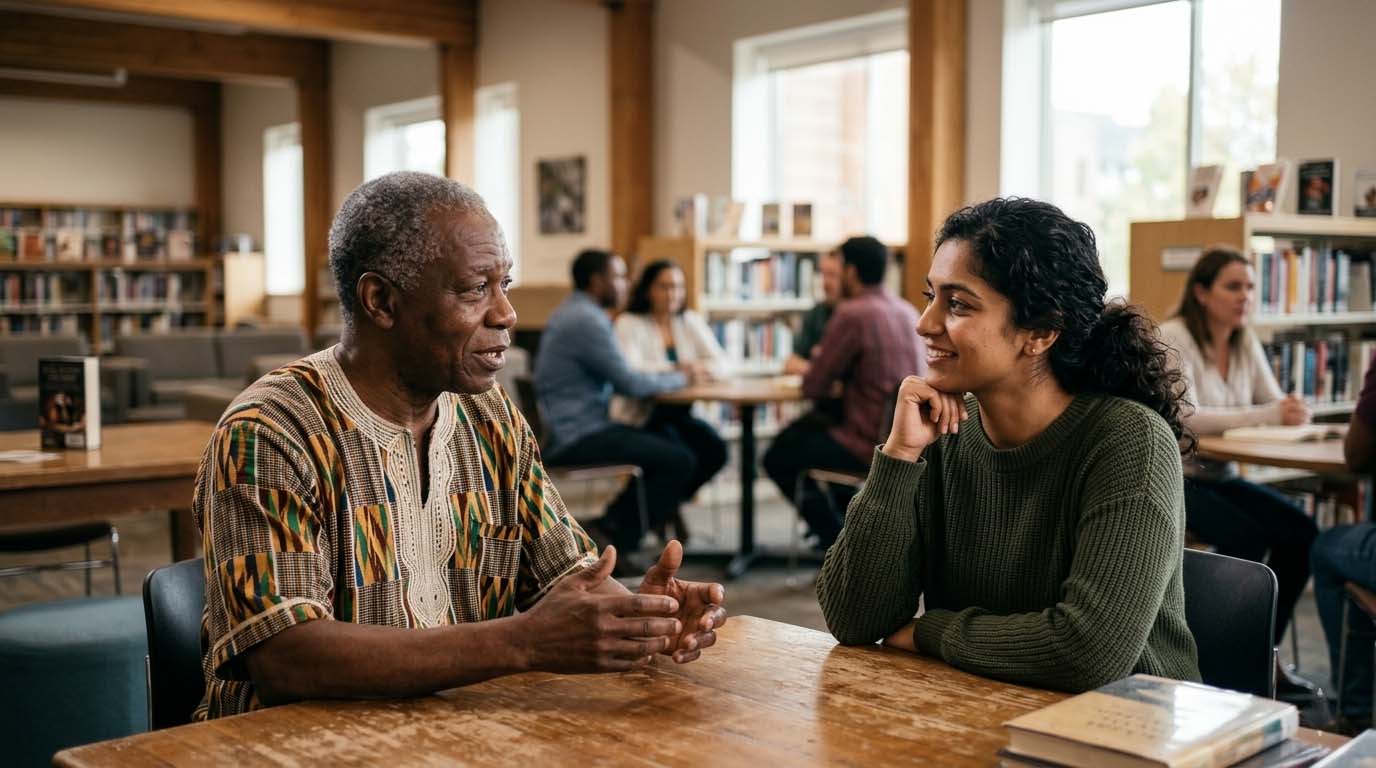
The Living Library brilliantly replaces printed materials with compelling human stories. Instead of merely borrowing a book, participants actively engage in conversations with individuals willing to share their deeply personal journeys. These “books” may represent experiences related to culture, migration, disability, profession, or identity, much like creating a community library of diverse narratives.
Each session carefully allows readers to ask respectful questions and listen closely, fostering a truly interactive environment. This format inherently promotes active learning, while also creating an unparalleled opportunity to challenge assumptions through firsthand accounts rather than broad generalizations.
The concept itself began in Denmark as an innovative response to rising social tensions and youth violence. Organizers envisioned creating a vital space where open dialogue could effectively replace fear and pervasive misunderstanding. Since its inception, the idea has spread across continents, consistently proving its profound relevance in remarkably diverse cultural settings.
In a time when information spreads at an unprecedented pace, personal interaction remains an incredibly powerful force. Direct conversation empowers people to see beyond simple labels, replacing distant opinions with authentic voices and truly lived experiences.
Why Personal Stories Matter
Stories fundamentally shape how people understand the world around them. When those stories come directly from individuals, they carry an undeniable authenticity and emotional depth. A Living Library consciously creates space for voices that are often overlooked, silenced, or profoundly misunderstood.
For example, a participant might engage with someone who has faced significant discrimination due to their background, offering insights rarely found elsewhere. Another conversation could involve a person skillfully managing an invisible health condition or working diligently in a widely misunderstood profession. These genuine exchanges reveal complex realities that statistics alone can never fully express.
Hearing a personal story frequently shifts perspective in powerful ways. It becomes significantly harder to rely on baseless stereotypes when faced with real human experiences and vulnerabilities. Over time, these poignant moments build critical empathy and encourage more thoughtful, compassionate interactions in everyday life.
Selecting Meaningful “Books”
The lasting success of a Living Library largely depends on the rich diversity and profound authenticity of its participants. Organizers conscientiously aim to include individuals from an exceptionally wide range of backgrounds, embracing differences in age, gender, cultural identity, profession, or life experience.
Each “book” inherently brings a unique and invaluable voice. Together, their collective stories powerfully reflect the complexity and richness of society. This deliberate variety allows readers to deeply engage with perspectives they might not otherwise encounter in their daily routines.
Preparation plays a crucial role in the event’s execution. Participants should feel absolutely comfortable sharing their stories while confidently maintaining personal boundaries. Clear guidance helps them fully understand their specific role and rights during the event, ensuring they feel empowered to decline questions or gracefully end conversations if needed.
It is also vitally important to avoid placing undue pressure on individuals to represent entire groups. Each story stands powerfully on its own merits. Respecting this inherent individuality helps unequivocally maintain authenticity and builds profound trust within the event’s unique framework.
Creating a Safe and Respectful Space
A truly supportive environment is absolutely essential for fostering meaningful and productive dialogue. The chosen venue should allow for private, intimate conversations while remaining fully accessible and genuinely welcoming to all. Universities, public libraries, and vibrant community centers frequently provide ideal settings for these impactful events.
Organizers must also plan logistics with meticulous care. This includes intelligently scheduling sessions, efficiently managing registrations, and thoughtfully guiding participants through the entire process. Highly trained facilitators play a particularly key role, ensuring that conversations remain consistently respectful and are prepared to step in promptly if any issues arise.
Clear, concise guidelines help set appropriate expectations for everyone involved. Participants should readily agree to listen actively, respect differing views, and conscientiously maintain confidentiality. These foundational rules collectively create a profound sense of safety and trust for both “books” and “readers” alike.
When people feel genuinely secure, they are naturally more open to honest, heartfelt conversation. This newfound openness then allows for deeper understanding to develop organically and authentically.
Encouraging Participation Across Communities
Reaching a broad and diverse audience is paramount for the enduring success of a Living Library. Effective and empathetic communication helps attract participants from different sectors of society, fostering genuine representation. Community organizations, educational institutions, and public spaces can all significantly support outreach efforts.
Digital platforms also play a remarkably strong role in modern outreach. Social media, dedicated websites, and targeted email campaigns can effectively introduce the concept to an even broader audience. Messaging should always focus on the intrinsic value of listening, learning, and authentically connecting with others.
Partnerships with established advocacy groups can further expand reach and impact. These collaborative efforts help connect organizers with individuals who may wish to participate as “books” or readers, significantly strengthening trust and engagement within various communities.
Clear explanations of how the event works can substantially reduce hesitation among potential participants. People are demonstrably more likely to join when they thoroughly understand what to expect. Emphasizing that no special knowledge is required helps make the experience more accessible and inviting for everyone.
Impact on Individuals and Society
The transformative influence of a Living Library frequently extends far beyond the immediate event itself. A single, profound conversation can fundamentally reshape how someone views an entire group or a complex issue. These individual changes may seem small initially, yet they powerfully contribute to broader, sustained social progress over time.
Readers consistently report a significant shift in perspective after engaging deeply with a “book.” They invariably gain a much deeper understanding of experiences profoundly different from their own. This heightened awareness often directly leads to more respectful, empathetic attitudes in their daily interactions.
For participants serving as “books,” the experience can be incredibly empowering and validating. Sharing their stories allows them to be truly heard and understood, often for the first time. It also powerfully affirms the inherent value and significance of their unique experiences.
Communities benefit immensely as well. Regular Living Library events actively encourage openness and effectively reduce social barriers. They play a vital role in building stronger connections across diverse cultural and social lines, thereby significantly strengthening trust among individuals and fostering a more cohesive society.
Addressing Common Challenges
Organizing a Living Library certainly comes with its share of practical challenges. Recruiting participants who feel truly comfortable sharing personal stories may require considerable time and dedicated effort. Building trust through exceptionally clear communication and thorough preparation significantly helps address this crucial concern.
Another challenge involves expertly managing sensitive and potentially difficult discussions. Not all conversations will be easy, and some may touch on vulnerable topics. Highly trained facilitators can skillfully guide interactions and meticulously maintain respectful dialogue, ensuring a safe space for all. Providing clear, concise guidelines also effectively helps prevent misunderstandings.
Encouraging consistent attendance can often require persistent and creative outreach strategies. Innovative campaigns and strategic partnerships frequently improve visibility and draw greater interest. Sharing compelling positive experiences from past events can also powerfully build anticipation and participation for future sessions.
Collecting detailed feedback after each event is invaluable, as it supports continuous improvement. It provides insightful data into what worked exceptionally well and what aspects can be thoughtfully refined for future, even more impactful, sessions.
Building Understanding Through Conversation
The Living Library profoundly demonstrates how meaningful, lasting change can truly begin with simple, authentic dialogue. It serves as a powerful reminder that behind every label, every assumption, there is a real person with a unique story absolutely worth hearing. These invaluable conversations help replace generalized assumptions with deep, personal understanding. To learn more about the broader Human Library movement and its global impact, explore their official site.
Creating consistent opportunities for open and honest discussion profoundly strengthens communities. It actively encourages respect, empathy, and intellectual curiosity. As more and more people enthusiastically take part, the positive impact continues to grow exponentially, weaving a stronger social fabric.
Every shared story brings people undeniably closer to seeing one another with greater clarity, profound compassion, and an enriched sense of shared humanity.